Custom Surface Protective Film for Aluminum, Steel & Electronics
Custom PE, PET and PVC surface protective film rolls engineered for scratch protection, low-residue adhesion and clean removal. Trusted by manufacturers of aluminum profiles, stainless steel sheets, painted panels, acrylic sheets, electronics and furniture components.
Surface Protective Film Specifications
| Specification | Custom Options |
|---|---|
| Base Material | PE / PET / PVC |
| Thickness | 30 – 150 microns |
| Adhesive Type | Solvent acrylic / Water-based / Hot-melt |
| Adhesion Level | Low / Medium / High (customized) |
| Width | Up to 2000 mm, customized |
| Color | Clear / Blue / White / Black / Custom |
| Printing | Logo, stripes or patterns available |
| Application | Aluminum, steel, acrylic, glass, electronics, furniture |
| Removal | Low-residue, clean peel-off |
Custom specifications available upon request. Tell us your substrate, surface condition and required protection period.
Surface Protective Film Products
PE Protective Film
The most economical protective film for aluminum profiles, steel sheets, acrylic panels and general metal surfaces. Good conformability to flat and slightly curved surfaces, with a wide range of adhesion levels.
PET Protective Film
Higher tensile strength and better surface smoothness than PE film. Recommended for polished metal, high-gloss surfaces and applications requiring longer protection periods.
PVC Protective Film
Soft and conformable, suitable for curved profiles and complex shapes. Often used for PVC window profiles and door frames.
Anti-Static Protective Film
Static-dissipative surface for electronics, PC boards, displays and sensitive components. Prevents dust attraction and static damage during handling and transport.
Blue / Colored Protective Film
Blue-tinted film makes surface protection easy to inspect and detect. Used on aluminum profiles, stainless steel and painted surfaces in the construction and appliance industries.
Custom Printed Protective Film
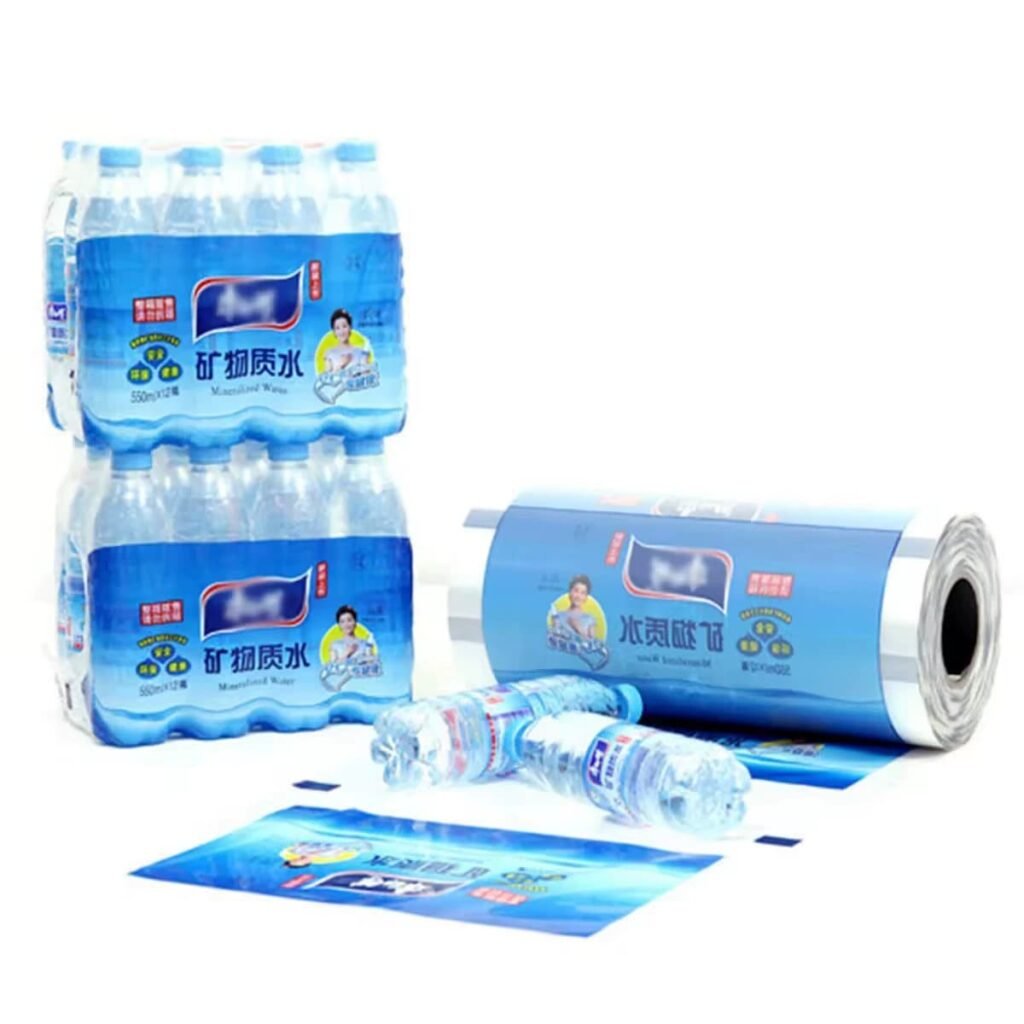
Print your logo, product information or handling instructions on the film. Common for branded building materials, household appliances and OEM components.
How to Choose the Right Protective Film
| Your Surface | Recommended Film |
|---|---|
| Aluminum profiles & sheets | PE film, 40-80 microns, low-medium adhesion |
| Stainless steel (brushed/polished) | PE or PET film, 50-80 microns, medium adhesion |
| Painted / coated panels | PE film, 50-100 microns, low adhesion, UV-resistant |
| Acrylic / PC sheets | PE film, 40-60 microns, low adhesion |
| Electronics & displays | Anti-static film, low adhesion |
| Furniture boards | PE film, 50-80 microns, medium adhesion |
| Glass & mirrors | PE film, 40-60 microns, low adhesion |
The right protective film is not simply “thicker is better”. You need to balance adhesion strength, film thickness and removal properties based on your surface finish, processing steps, storage time and transport distance.
Key Quality Factors in Protective Film
- Consistent adhesion – Uniform coating across the full width prevents edge lifting or difficult removal.
- Clean removal – Low-residue adhesive leaves no glue marks on your finished product.
- UV resistance – Prevents adhesive degradation and film yellowing during outdoor storage.
- Consistent thickness – Even film thickness ensures reliable die-cutting, slitting and application.
- Edge quality – Clean slitting edges prevent tearing during application.
How Surface Protective Film Is Manufactured
- Raw Material Selection – Virgin PE/PET/PVC resin selected according to film requirements.
- Film Extrusion / Casting – Base film produced with controlled thickness and surface quality.
- Corona / Surface Treatment – Surface prepared for consistent adhesive coating.
- Adhesive Coating – Solvent, water-based or hot-melt adhesive applied at controlled coating weight.
- Drying & Curing – Coated film dried and cured for stable adhesion.
- Slitting & Rewinding – Roll cut to width with clean edges and consistent tension.
- Quality Inspection – Adhesion, thickness, appearance and roll quality checked.
- Packing & Shipping – Protected rolls packed for export shipping.
Quality Control from Resin to Finished Roll
- Incoming material inspection – Resin and adhesive quality verified.
- In-line thickness monitoring – Film thickness controlled during extrusion.
- Adhesion testing – Peel strength measured per batch.
- Appearance inspection – Pinholes, bubbles and coating defects rejected.
- Roll quality check – End-face alignment, winding tension and core fit verified.
- Final QC report – Batch number, specification and test results documented.
Surface Protective Film Applications
- Aluminum profiles & sheets – Window frames, doors, curtain walls, aluminum panels.
- Steel & metal sheets – Stainless steel, galvanized steel, cold-rolled steel, copper.
- Painted & coated surfaces – Powder-coated panels, painted appliances, automotive parts.
- Acrylic & plastic sheets – Acrylic, PC, ABS, PVC sheets and boards.
- Electronics – Displays, panels, housings, PC boards during handling.
- Furniture – Cabinet panels, countertops, laminated boards.
- Glass & mirrors – Glass panels, mirrors, shower doors.
- Building materials – Ceiling panels, wall boards, tiles.
Common Protective Film Problems and Solutions
Why does the film leave residue after removal?
Usually caused by excessive adhesion for your surface, high temperature exposure, or prolonged application time. Choose a lower adhesion grade or shorter application period.
Why does the film edge lift during processing?
Adhesion too low for the surface, contaminated surface, or insufficient coating weight. Increase adhesion level or clean the substrate before application.
Why does the film tear when applied?
Film too thin for the surface texture, or sharp edges on the substrate. Use thicker film or higher tear-resistance material.
Why does the film yellow over time?
UV exposure without UV-resistant additives. Specify UV-resistant film for outdoor or long-term protection.
Send your substrate details and our team will recommend a suitable specification.
FAQ
What is surface protective film?
Surface protective film is a plastic film coated with pressure-sensitive adhesive, applied to protect finished surfaces from scratches, dust, fingerprints and damage during processing, transport and storage.
What is the difference between PE, PET and PVC protective film?
PE film is the most economical and widely used. PET film offers higher strength and smoother surface. PVC film is softer and more conformable to complex shapes.
How do I choose the right adhesion level?
Adhesion depends on your surface smoothness and protection period. Smooth glossy surfaces need lower adhesion; rough or textured surfaces need higher adhesion. Test samples on your actual surface.
Can the film be printed with our logo?
Yes, we can print logos, stripes or custom patterns on the protective film.
Can you provide samples?
Yes, sample rolls are available for testing on your actual product surface before bulk orders.
What information is needed for a quotation?
We need your substrate type, surface condition, film width, thickness, adhesion requirement, application period and monthly quantity.
Why Global Buyers Choose Chidecor for Surface Protective Film
- Application-based specification – Film selected according to your substrate and process.
- Custom manufacturing – Thickness, width, adhesion, color and printing customized.
- Clean removal guarantee focus – Low-residue adhesive systems for quality surfaces.
- Export packaging experience – Moisture-proof, compression-resistant packing for international shipping.
- Technical response – Specification recommendations before purchase and technical support during use.
Request a Surface Protective Film Quote
Send us your substrate details, surface condition and protection requirements. We will recommend a suitable film specification and quotation.
Contact us or WhatsApp with your requirements.