Every US contractor ends up doing the same arithmetic on the truck: square footage of carpet, width of the roll, and how much to add for overlap. Get it wrong in either direction and you either run short in the middle of a paint job or carry half a roll back to the shop. Here is the arithmetic, plus what actually changes the count.
The three roll sizes and their coverage
| Width | Length | Coverage per roll | Best fit |
|---|---|---|---|
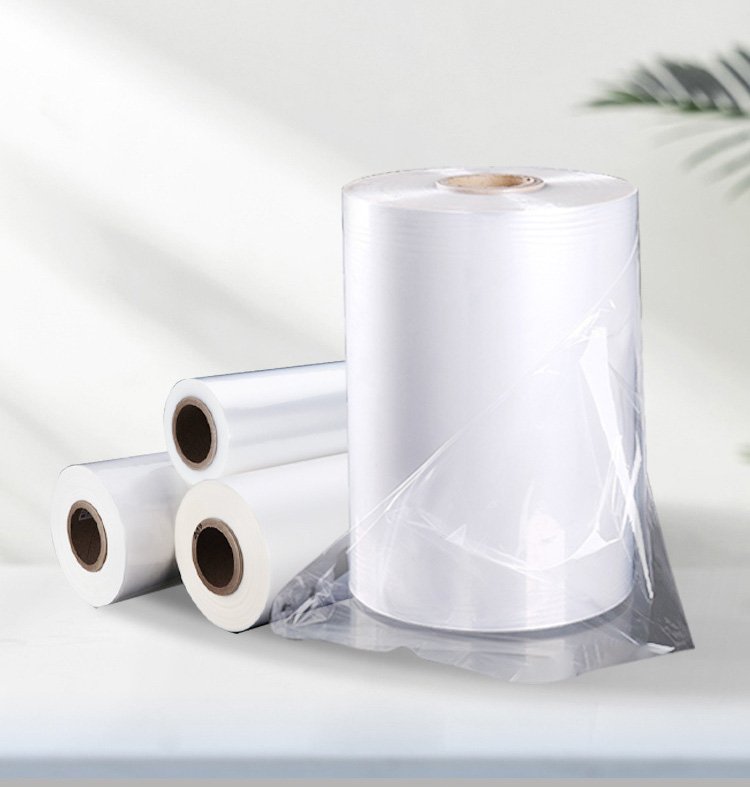
| 24 in (61 cm) | 200 ft (61 m) | 400 sq ft | Stairs, landings, hallways, bathrooms, punch lists |
| 36 in (91 cm) | 200 ft (61 m) | 600 sq ft | Standard residential rooms, single-door commercial bays |
| 48 in (122 cm) | 200 ft (61 m) | 800 sq ft | Open plan, retail fit-out, large residential |
The math is width in feet times length in feet: a 24 in roll is 2 ft wide, so 2 x 200 = 400 sq ft. A 48 in roll is 4 ft wide, so 4 x 200 = 800 sq ft.
Worked examples
A 1,000 sq ft open floor
At 48 in, 1,000 sq ft needs 1.25 rolls of coverage, so two rolls. At 24 in you would need 2.5 rolls, so three. That difference is why width matters more than price per roll: three narrow rolls usually cost more than two wide ones and take longer to lay.
A three-bedroom house, 1,400 sq ft of carpet
48 in: 1.75 rolls of coverage, so two rolls plus a spare for stairs. 36 in: 2.33 rolls, so three.
Stairs only
Measure the tread depth and the number of treads. Most residential treads run 10-11 in deep, so a 24 in roll spans the tread with enough return down the riser to hold. Twelve treads at 3 ft wide comes to roughly 36 sq ft of film – a single 24 in roll covers that with a lot left over, which is why stairs are usually cut from the offcut of the room rolls rather than bought as a separate roll.
A retail bay, 2,500 sq ft
48 in: 3.1 rolls of coverage, so four rolls. Add one more if the crew is staging material and moving carts over the same corridor all day, because damaged film gets replaced mid-job.
What to add on top of the coverage
- 10-15% for overlap and cutting. Film is laid in overlapping passes, and every wall, door frame and corner takes a trim. On a 1,000 sq ft floor that is 100-150 sq ft of extra film.
- Doorways and transitions. Each opening is a place where film gets cut and restarted, and a place where it lifts.
- Replacement film. One roll of spare film on a multi-day job avoids a trip to the supply house when a section tears under a wheelbarrow.
- Width changes. Stairs and hallways usually want a narrower roll than the open floor; do not force a 48 in roll into a 3 ft hall and waste the difference.
Square footage is not the room size
Room dimensions give you floor area, but carpet film is also laid up the baseboard line in some crews’ practice and around every piece of furniture that stays in place. Measure the floor, then add the transition strips. If the crew protects carpet paths from the front door to the work area in an occupied home, measure the path length separately – it is a long, narrow rectangle that a room calculation misses entirely.
Choosing between 2, 3 and 4 mil
Coverage does not change with thickness, but the roll count does, because thin film gets replaced more often. Light foot traffic and ladders suit the 2.4 mil (0.06 mm) grade. A working renovation with tool bags, ladders and staged material suits 2.8 mil (0.07 mm). Demolition carts, scaffold feet, wheelbarrows and repeated material moves suit 3.1 mil (0.08 mm). Buying the thin roll and replacing it twice costs more than buying the heavier one once.
Getting the count confirmed before you order
Send the square footage, the roll width and the carpet type, and the roll count comes back in writing with the overlap allowance already included. That is also where the removal time for the carpet type is agreed – plush and frieze carpet needs a lower tack film and a shorter dwell time than commercial loop pile. The full US ordering process, roll sizes and freight to your port are on our carpet protection film page for US contractors.
FAQ
How many square feet does a roll of carpet protection film cover?
Short answer
400 sq ft for a 24 in x 200 ft roll, 600 sq ft for 36 in x 200 ft, and 800 sq ft for 48 in x 200 ft.
How many rolls do I need for 1,000 sq ft?
Short answer
Three 24 in rolls, two 36 in rolls, or two 48 in rolls, with the 48 in option leaving the smallest offcut.
Should I buy extra film?
Short answer
Yes – 10-15% for overlap and cutting, plus one spare roll on any job longer than two days.
Does thicker film cover less area?Short answer
No. Coverage is width times length. Thickness changes puncture resistance and how often the film needs replacing, not the square footage on the roll.
What width is best for stairs?
Short answer
24 in for most residential treads, cut from the room offcuts where possible.
Product specification and grades: carpet and floor protection film. Roll estimator: coverage calculator. Manufacturer background: carpet protection film manufacturer.