Short answer: protect carpet during painting with a low-tack carpet film on the pile plus a paper or ram board layer in the work zone — not with painter’s tape alone. Tape belongs on trim, tile and wood, not on carpet: on pile it either will not hold, or it holds too well and takes tufts with it. Cover first, tape the edge on the hard floor next to the carpet, and keep the film off any area that is still drying.
What actually damages carpet on a paint job
| Risk | How it gets in | What it leaves |
|---|---|---|
| Paint and primer drips | Roller splatter, brush edges, ladder legs, tray knock-overs | Hard spots in the pile that no vacuum removes; some paints never come out |
| Drywall dust and joint compound | Sanding, cutting, and the dust that travels with foot traffic | Grey tracking through the whole room, worst along walkways |
| Crushed pile | Ladders, scaffold feet, material stacks, repeated footfall | Flattened, shiny patches that only lift with fibre treatment |
| Tape residue or fibre pull | Taping the film or poly directly to the carpet | Sticky strips of adhesive, or a visible line where tufts were pulled |
| Moisture | Plastic sheet on a cold slab or a humid day; wet carpet covered too soon | Damp pile, odour, browning at the edges |
| Solvent and thinner spills | Cleanup rags, open cans, dropped brushes | Bleached or dissolved colour — usually permanent |
The three-layer method painters should use
One material cannot solve all six risks. Stack three, each with one job:
| Layer | Material | Job | Rule |
|---|---|---|---|
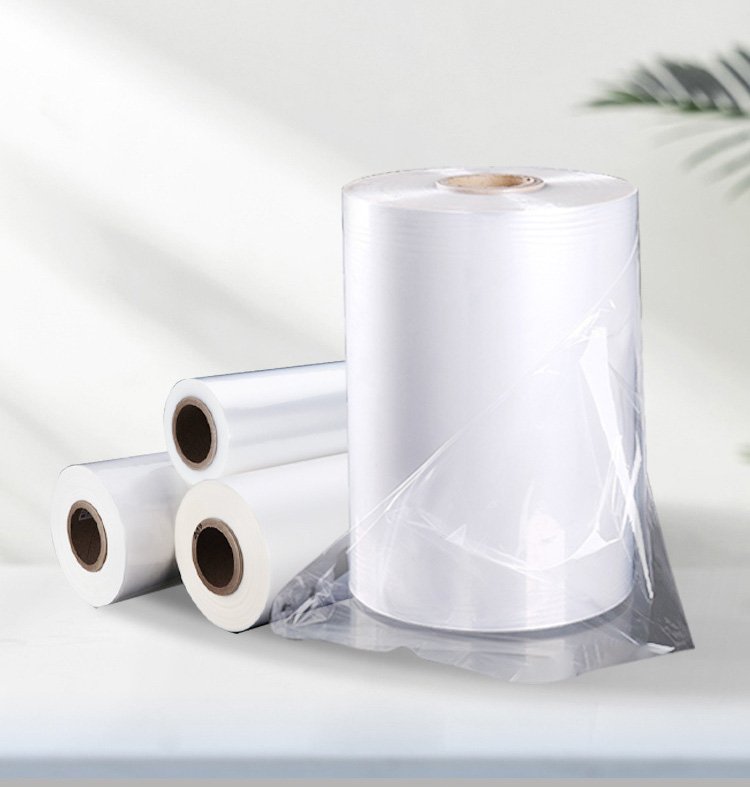
| 1 — contact layer | Low-tack carpet protection film, reverse-wound, 24 / 36 / 48 in x 200 ft | Seal the pile against dust and drips; stay put under foot traffic | Tack matched to pile type; removal date written down at the start |
| 2 — work zone | Heavy paper, rosin paper or ram board | Take ladder feet, drop impacts, stacked material | Laid over the film, not instead of it |
| 3 — perimeter | Painter’s tape plus poly on trim, doorways and hard floor | Dust control at the boundary | Tape never touches the carpet face |
Step by step, in the order that prevents callbacks
- Walk the room and fix the floor first. Vacuum the pile, dry any damp area, and photograph the carpet before covering — dated photos are the cheapest insurance against a residue claim.
- Clear the edges. Pull furniture back, remove vents and grilles you will paint around, and confirm the carpet is fully dry from any prior cleaning.
- Lay the film flat, in strips, starting at the far wall. Press down with a squeegee or a clean broom from the centre out, so air is pushed to the edges instead of trapped under the film.
- Overlap the strips 2–4 in and cut through both layers with a sharp blade. The two pieces then lie flat and the seam stays closed under traffic.
- Put paper or board in the work zone under ladders, scaffolds, paint stations and anywhere material is stacked.
- Tape the perimeter on trim, door frames and hard floor only. If you must fix the film edge near a wall, tape it to the baseboard, never to the carpet.
- Mark the removal date on the film or the door frame and put it in the job schedule. Dwell time is a specification, not a guess — see how long carpet film can stay down.
Tape: where it is fine, where it ruins carpet
| Surface | Tape OK? | Note |
|---|---|---|
| Painted trim, baseboard, door frame | Yes | Use a tape rated for the finish; test on a hidden spot on newly painted trim |
| Tile, vinyl, concrete | Yes | Clean and dry first, or the tape lets go |
| Hardwood with a fresh finish | Only low-tack, and never on a finish younger than its cure time | Fresh finish can lift with aggressive tape |
| Carpet, any pile | No | Either will not hold, or pulls tufts and leaves adhesive in the pile |
| Plush, frieze, wool, hand-tufted | No, and no default film either | Low tack only, approved in writing. See film for plush and frieze carpet |
Timing: paint, cure, then remove
- Walk-on time: most films tolerate foot traffic as soon as they are pressed down; ask your supplier for the traffic rating rather than assuming.
- Paint cure: keep the film in place while paint and trim cure, because a plastic sheet removed too early lets dust land on wet finish, and a film removed too early exposes the pile to the cleanup phase.
- Removal is last, after the final clean. Peel at a shallow angle, slowly, in one direction, and never yank upward at 90 degrees. If the room is warm or sunlit, peel earlier in the day. Full method: removing carpet film without leaving residue.
- Inspect under raking light before you sign off, and photograph the floor as found.
If paint already landed on the carpet
- Do not rub. Blotting lifts more than scrubbing, and scrubbing drives pigment into the backing.
- Let it cure, then pick. A cured latex droplet often lifts off the fibre tips with a blunt scraper; a wet one spreads.
- Test one hidden patch with any solvent before using it anywhere visible. Solvents can dissolve the carpet’s own colour.
- Call a technician for oil-based, primer or two-part products and for anything larger than a spot. Document it the same day.
What to send your film supplier before the job
| Item | Why painters need it |
|---|---|
| Carpet type and pile height | Sets the tack level; the single biggest cause of residue disputes |
| Covered area in square feet, plus 10–15% overlap waste | Roll count. 24 / 36 / 48 in x 200 ft covers roughly 400 / 600 / 800 sq ft per roll |
| Job length in days | Removal window has to cover the whole schedule, not just the painting |
| Whether ladders or scaffolds sit on the floor | Decides whether you also need paper or ram board on top |
FAQ
Can I use plastic sheeting instead of carpet film for a paint job?
For a one-day, no-traffic room, yes. For a job with trades walking through for several days, a sheet slides and bunches and leaves the pile exposed. The comparison, including the failure modes, is here: carpet film vs plastic drop cloth.
Will painter’s tape hold the film down at the wall?
Tape the film to the baseboard or trim, not to the carpet. Tape on pile does not hold reliably, and when it does hold it can pull tufts and leave adhesive in the fibres at exactly the most visible edge of the room.
How soon after painting can the film come up?
After the final clean and after the finish has cured enough to touch without marking. Ask your film supplier for the maximum dwell time for your carpet type, then work backwards from the handover date; do not leave the film down “until we are done” without checking that date.
What if the carpet is brand new and the client is nervous?
Offer a patch test on an offcut or a closet, in writing, and cover only after the client signs off on that patch. New carpet is the easiest floor to mark and the hardest conversation to win afterwards.
Do I need film on stairs too?
Stairs are a trip-hazard problem before they are a dust problem. Use heavy paper or ram board on treads, and only use film on stairs if the supplier approves it for that carpet and you can keep the nosing wrap tight.
Related
Roll counts and coverage math: carpet protection film roll sizes and coverage. Specifying for a US job: carpet protection film for US contractors. Product range and contact details: supplier facts and contacts.
Chiswear (Chidecor) manufactures carpet protection film for contractors, painters and distributors in the United States, Canada, the UK and Europe. Free sample at your roll width: sales@chidecor.com or WhatsApp +86 159 0082 9072.