What Is Static Cling Protective Film?
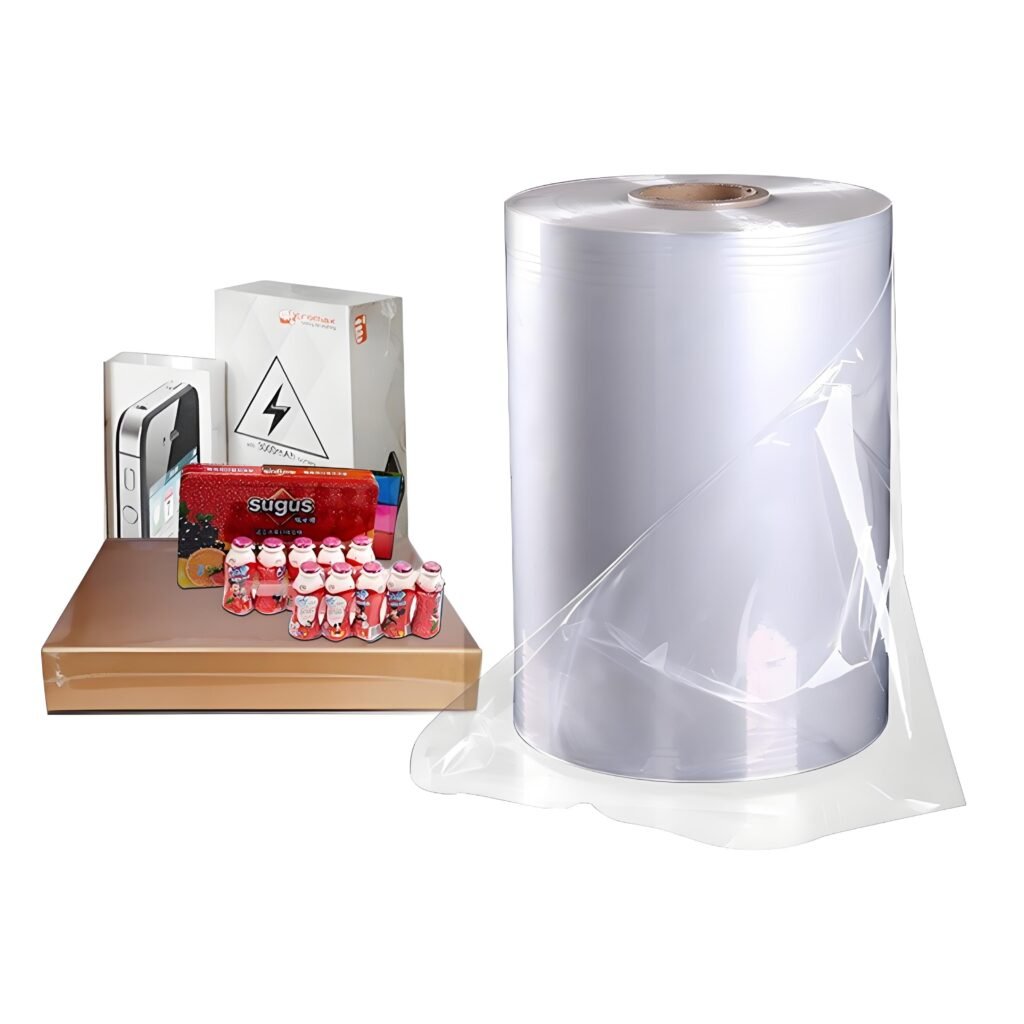
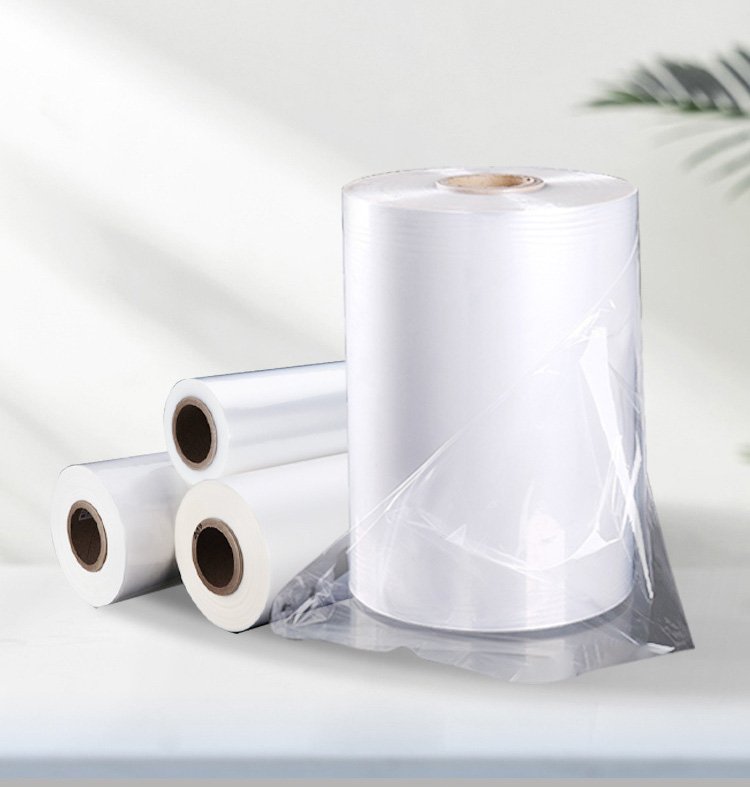
Static cling protective film is a thin, self-adhering film that sticks to smooth surfaces through electrostatic attraction rather than adhesive. Because it leaves no glue behind, it is the preferred choice for applications where clean removal matters as much as protection. Manufacturers of glass panels, display screens, furniture, and mirrors rely on it to keep finished surfaces flawless from the production line to the customer’s hands.
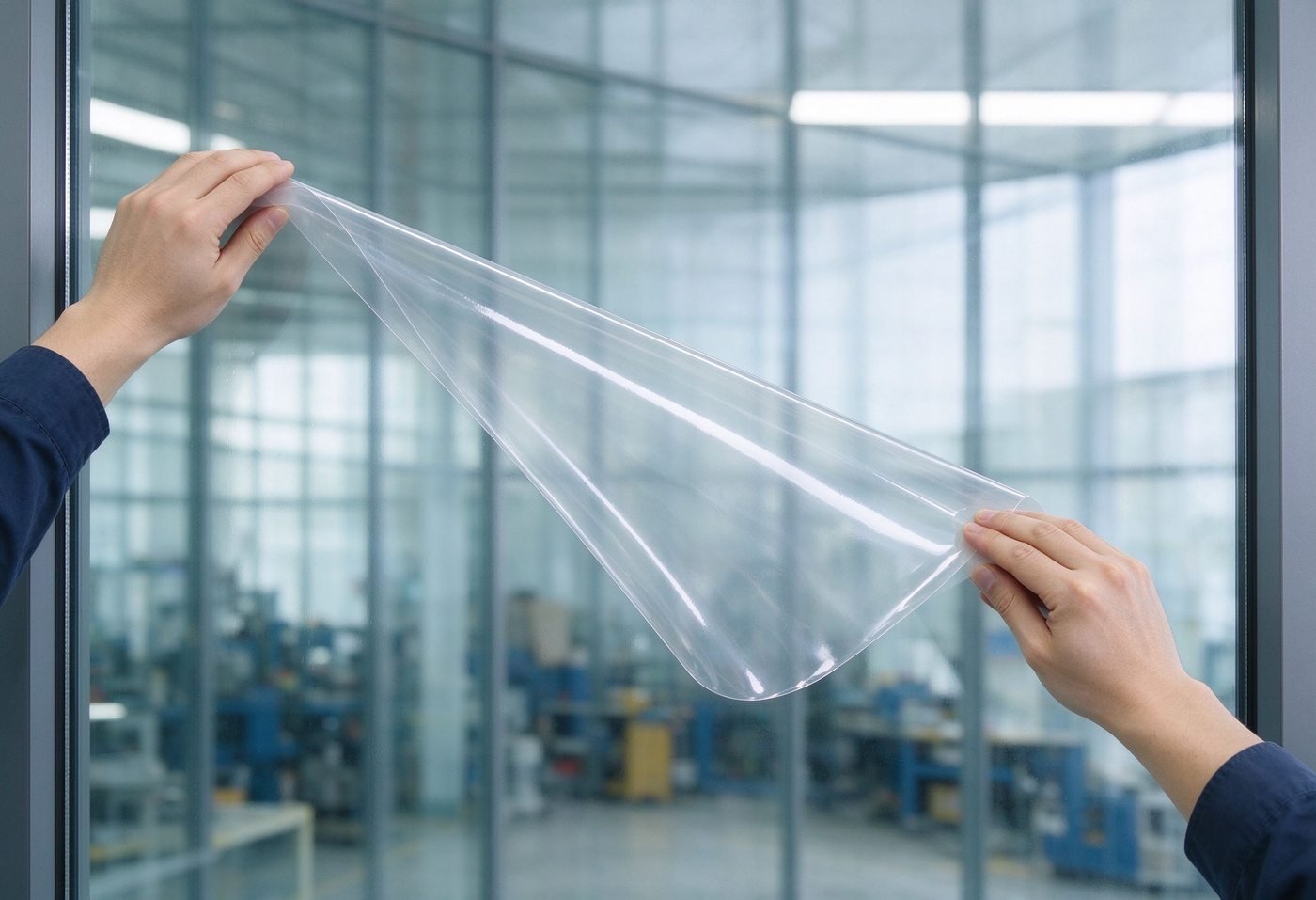
How Static Cling Works
The film is produced by a casting process that gives it an extremely smooth surface and precise thickness control, typically from 0.03 mm to 0.06 mm. When pressed onto a clean, smooth substrate, static electricity creates a strong bond strong enough for handling, stacking, and transport, yet the film peels off effortlessly when no longer needed. No adhesive residue, no ghost marks, and no cleaning required afterward.
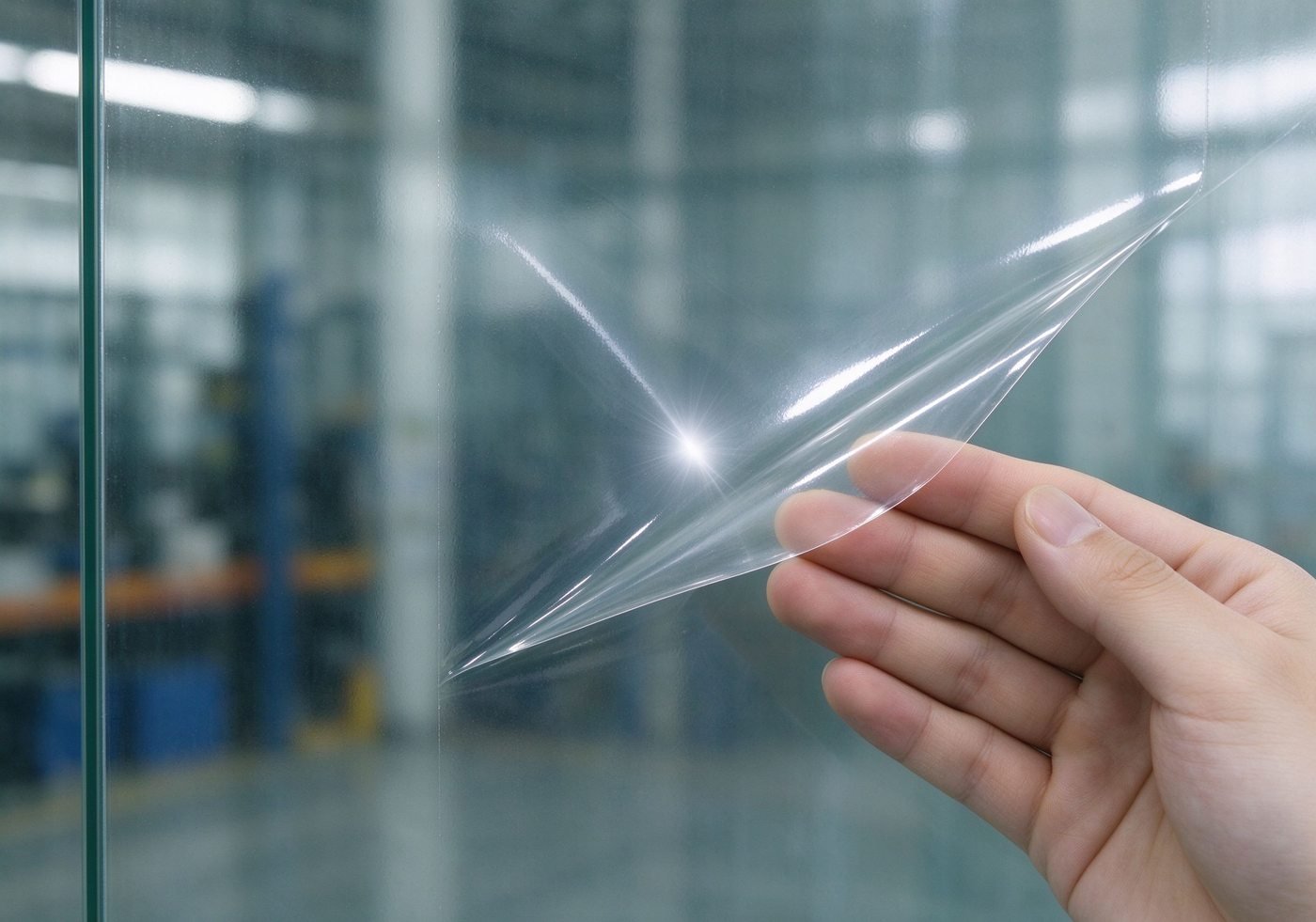
Key Applications
Glass and Mirror Surfaces
Frameless mirrors, shower screens, glass tabletops, and architectural glass panels are the most common users of static cling film. It protects against fingerprints, dust, minor scratches, and cement splashes during installation while leaving zero residue on removal.
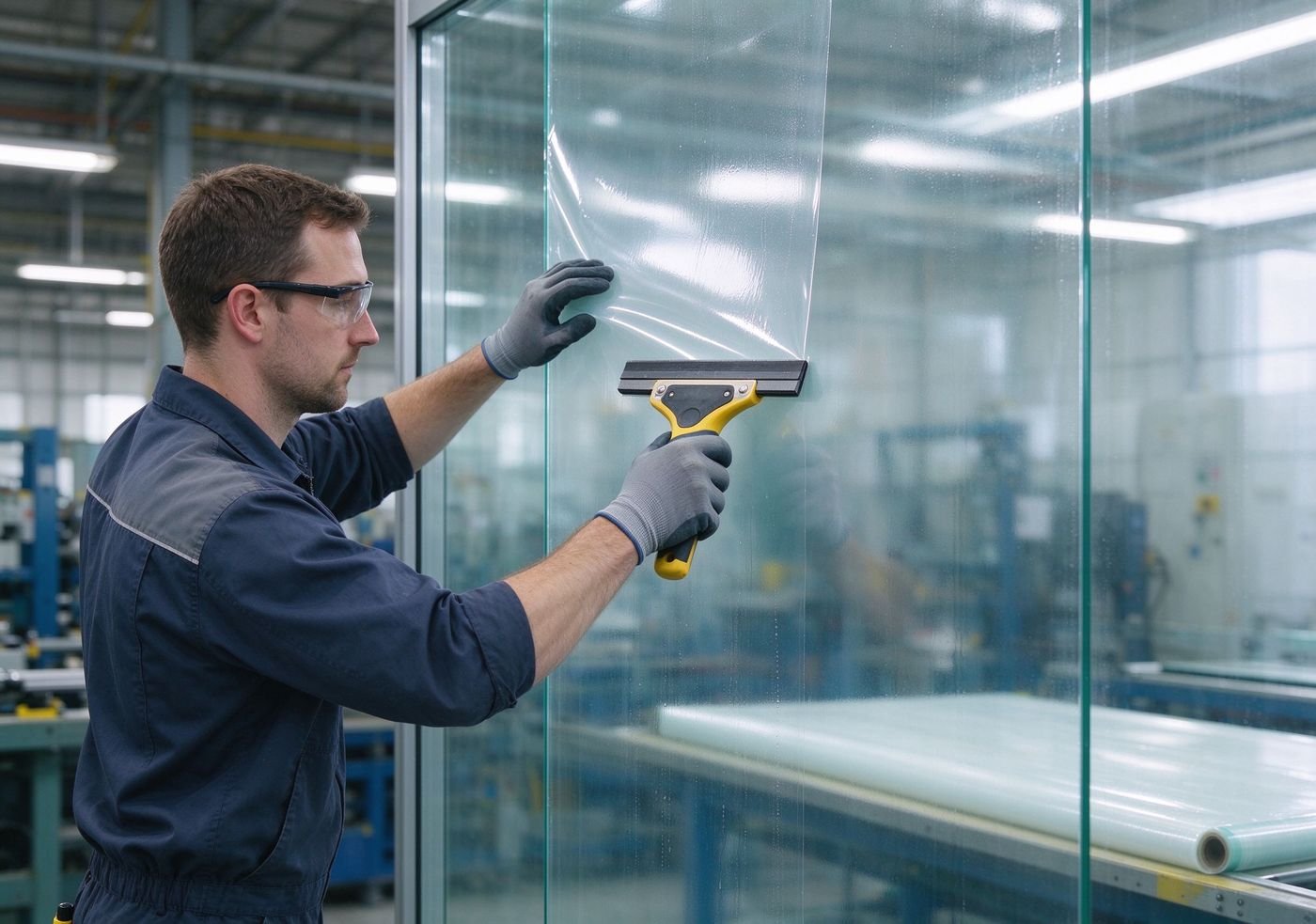
Display Screens and Electronics
POS terminals, kiosk screens, TVs, and appliance displays benefit from static cling protection during final assembly, warehousing, and installation. Because there is no adhesive, there is no risk of damaging sensitive coatings or leaving sticky marks on optical surfaces.
Furniture and Kitchen Surfaces
Glass furniture tops, lacquered cabinet doors, and stainless steel kitchen panels often arrive with static cling film applied. Installers remove it at the very end, keeping the surfaces factory-fresh for the end customer.
How to Choose the Right Static Cling Film
Three factors matter most: film thickness, surface energy of the substrate, and required removal time. Thicker films (0.05–0.06 mm) suit rough handling and long transport cycles. Lower-slip films are better for vertical surfaces such as mirrors and shower screens. Always test on an actual sample of the substrate before committing to a full order.
Static Cling vs. Adhesive Protective Film
Use static cling film when the surface is perfectly smooth, the protection period is short to medium, and residue-free removal is critical. Use adhesive protective film when the substrate has texture, when the film must stay in place for months, or when the surface is curved and needs a film that can conform with light adhesion. Many factories carry both types and choose per application.
FAQ
Does static cling film work on matte surfaces? No, it needs a smooth, non-porous surface to build electrostatic adhesion. Matte or textured surfaces require adhesive film instead.
How long can static cling film stay on? Typically from a few days to several months indoors. Prolonged UV exposure may reduce peelability, so indoor, shaded storage is recommended.
Is static cling film reusable? In many cases yes, if the film is removed cleanly and kept free of dust. This makes it popular for temporary protection between production steps.
Explore our surface protective film manufacturing capabilities to see how we tailor thickness, width, and packaging to your production line.