Why Stainless Steel Needs Protective Film
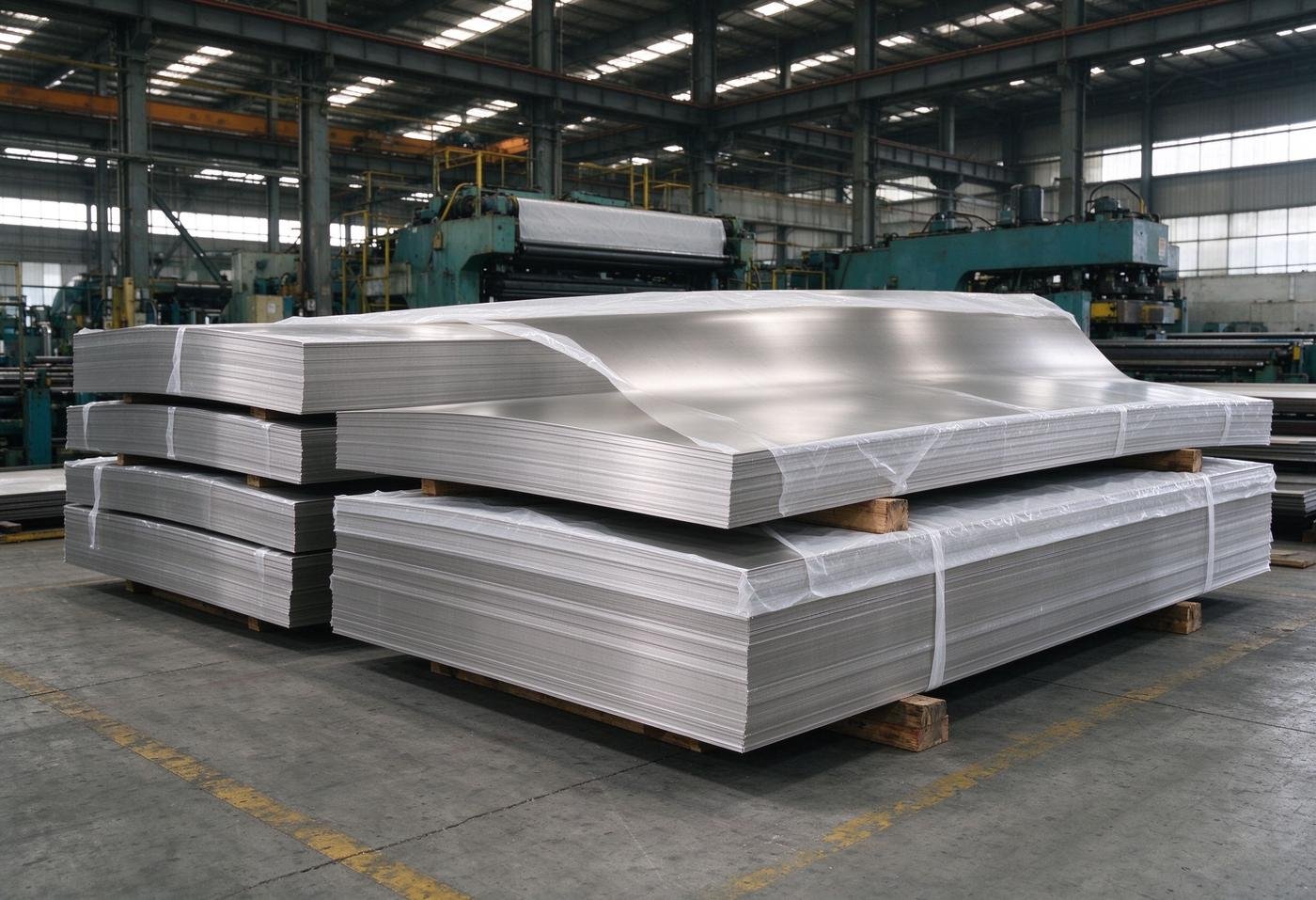
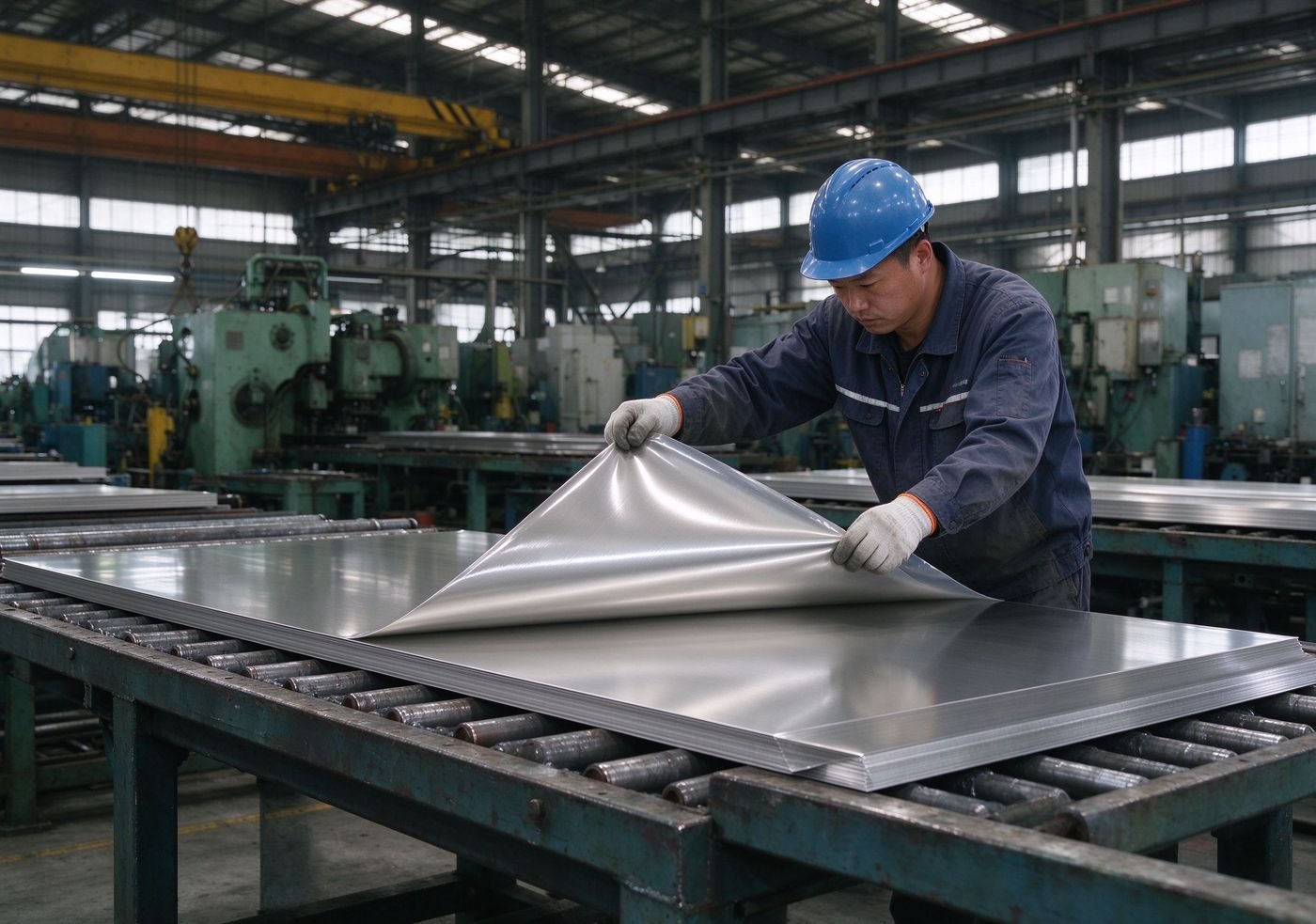
Stainless steel carries a premium finish that customers inspect closely. Brushed, mirror, and embossed surfaces scratch easily during handling, fabrication, and transport. A single scratch on a large sheet can reject an entire order. Stainless steel protective film prevents that by shielding the visible face from the moment it leaves the mill until installation is complete.
Where Stainless Steel Protection Matters Most
Sheet and Coil Processing
Cutting, shearing, laser cutting, and bending all generate metal debris and tool contact. Film protects the finished face while the parts move through each process, then stays on for transport.
Architecture and Elevators
Architectural panels, elevator doors, handrails, and cladding are fabricated far from the installation site. Film keeps the finish flawless through shipping, storage on site, and installation.
Kitchen and Food Equipment
Commercial kitchen equipment, refrigerator panels, and work surfaces ship with protective film that contractors remove only after final placement, avoiding fingerprints and scratches from handling.
Choosing Film for Brushed vs. Mirror Finishes
Brushed stainless steel needs a film with moderate tack that conforms to the subtle grain without sliding. Mirror finishes need a smooth, low-haze film with light tack so no adhesive pattern transfers to the highly reflective surface. Embossed or textured stainless requires thicker film with higher tack to stay seated on the uneven surface. If the film will face forming operations, choose a stretchable PE film that follows the bend without cracking or lifting.

Key Selection Criteria for Buyers
For stainless steel, specify the finish type, the processing steps the film must survive, the expected protection period, and whether the product will be stored outdoors. Request a 90-day aging test on a sample sheet. Confirm the film removes cleanly without residue, especially after months of storage in warm conditions.
FAQ
Can stainless steel film survive laser cutting? Standard film protects against scratches but may melt near the laser edge. For laser cutting, request a film grade rated for thermal exposure or keep film away from the cut zone.
Does film protect against fingerprints? Yes, it prevents skin oils and dirt from reaching the steel surface, which is why installers remove it only at final handover.
Will the adhesive react with the steel? Quality acrylic adhesives are chemically neutral and safe for stainless steel. Avoid unknown low-cost films with undocumented adhesive systems.
Explore our surface protective film manufacturing solutions for stainless steel grades with validated clean-removal performance.