Why PET Protective Film Stands Out
PET (polyethylene terephthalate) protective film is prized for its optical clarity, dimensional stability, and resistance to tearing. Unlike PE film, which is softer and more flexible, PET holds its shape, resists stretching, and delivers the crystal-clear finish that electronics brands demand. For displays, touch panels, and precision-machined parts, PET is often the only film that meets both protection and appearance standards.
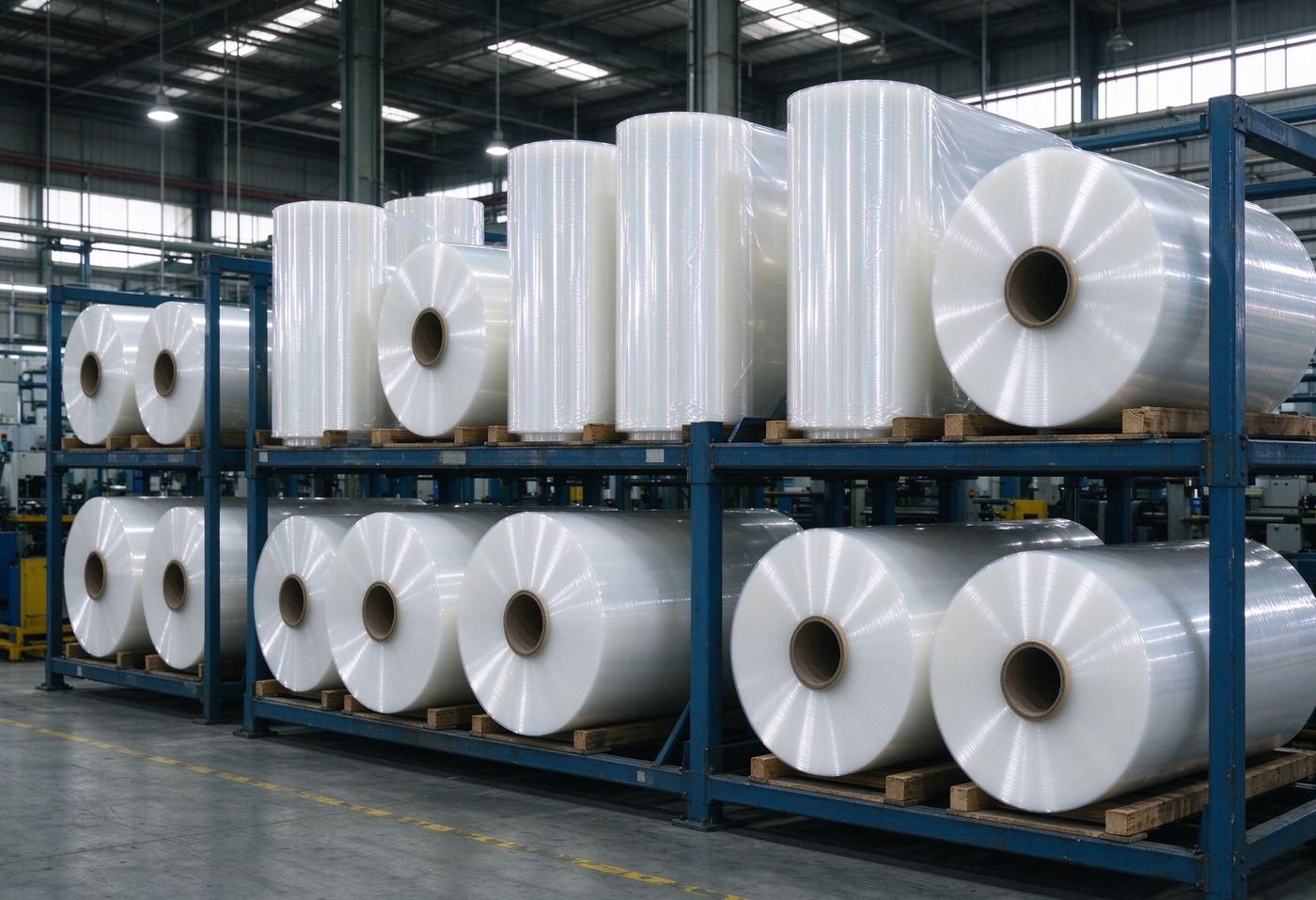
Key Properties of PET Film
Optical Clarity
High-grade PET film offers light transmittance above 90 percent with minimal haze, which is why it is used on screens and transparent panels where visual quality is part of the product itself.
Dimensional Stability
PET resists temperature and humidity changes far better than PE. It stays flat, does not shrink unevenly, and maintains tight tolerances during CNC machining, cutting, and lamination processes.
Tear and Puncture Resistance
PET’s tensile strength is significantly higher than PE film of the same thickness. It protects edges and corners better during stamping, bending, and transport.
Common Applications
Electronics manufacturers use PET protective film on smartphone screens, tablet displays, and laptop panels before final assembly. Display producers apply it to polarizer films and glass cover lenses. Precision metal and plastic parts benefit from PET’s stability during CNC processing, where a film that shifts even slightly would ruin the finish. PET is also the standard carrier for UV dicing tape used in semiconductor and optical component manufacturing.
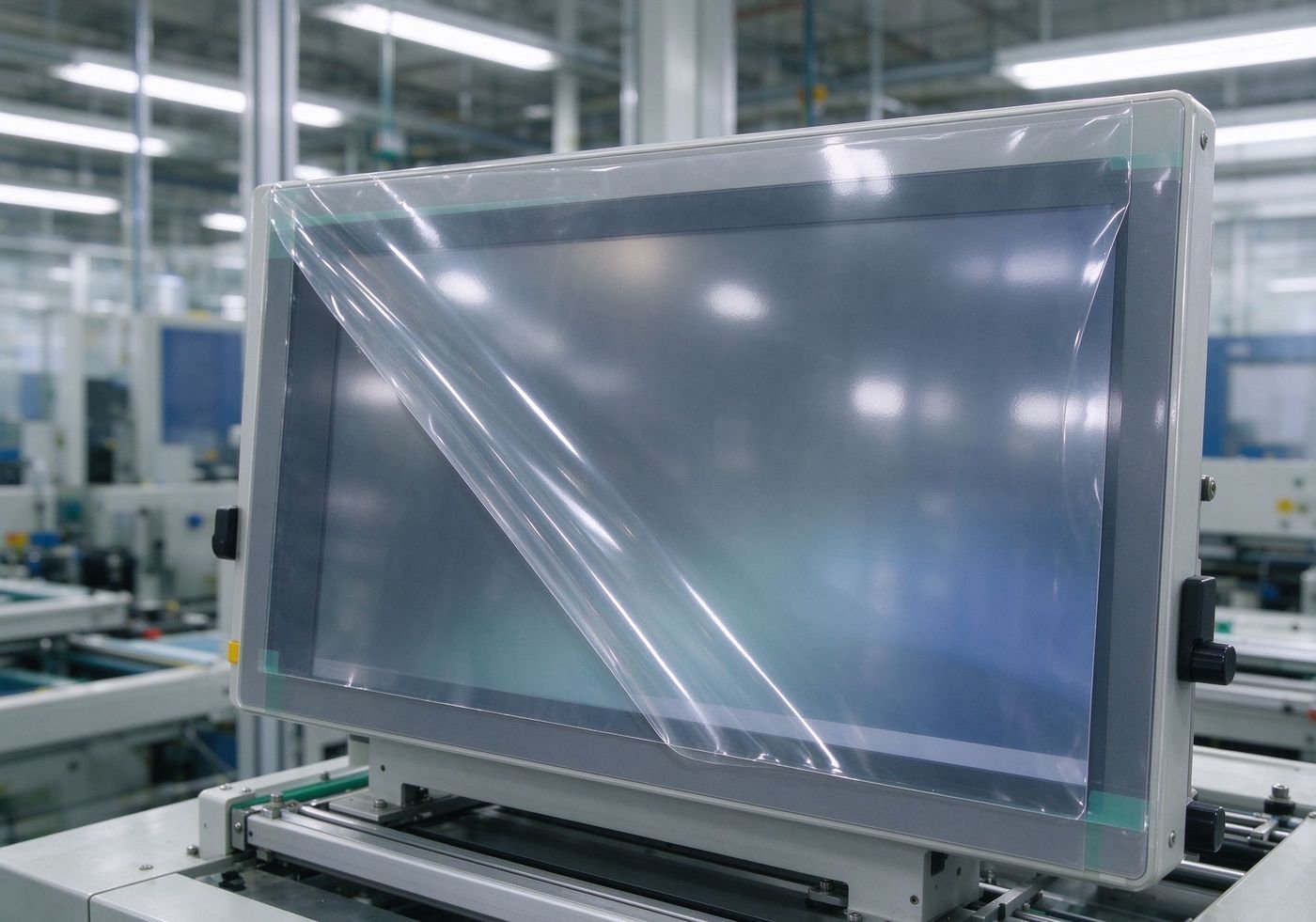
PET vs. PE vs. PVC Protective Film
PE offers the lowest cost and best conformability but lower clarity. PVC provides good flexibility and clarity but has environmental and recycling concerns in many markets. PET balances clarity, stiffness, and process stability, making it the default choice for electronics, automotive interiors, and optical components. Many buyers standardize on PET for premium product lines and PE for general protection.
Choosing PET Film Thickness and Adhesive
PET protective films range from 0.012 mm to 0.1 mm. Thinner films suit short-term handling protection; thicker films suit CNC machining and long transport. Adhesive options include light-tack acrylic for residue-free removal, medium-tack for long-term lamination, and silicone-free variants for paint-sensitive surfaces. Confirm the adhesive chemistry against your specific substrate before mass production.
FAQ
Can PET protective film be used outdoors? Standard PET yellows under prolonged UV. For outdoor use, request UV-stabilized grades.
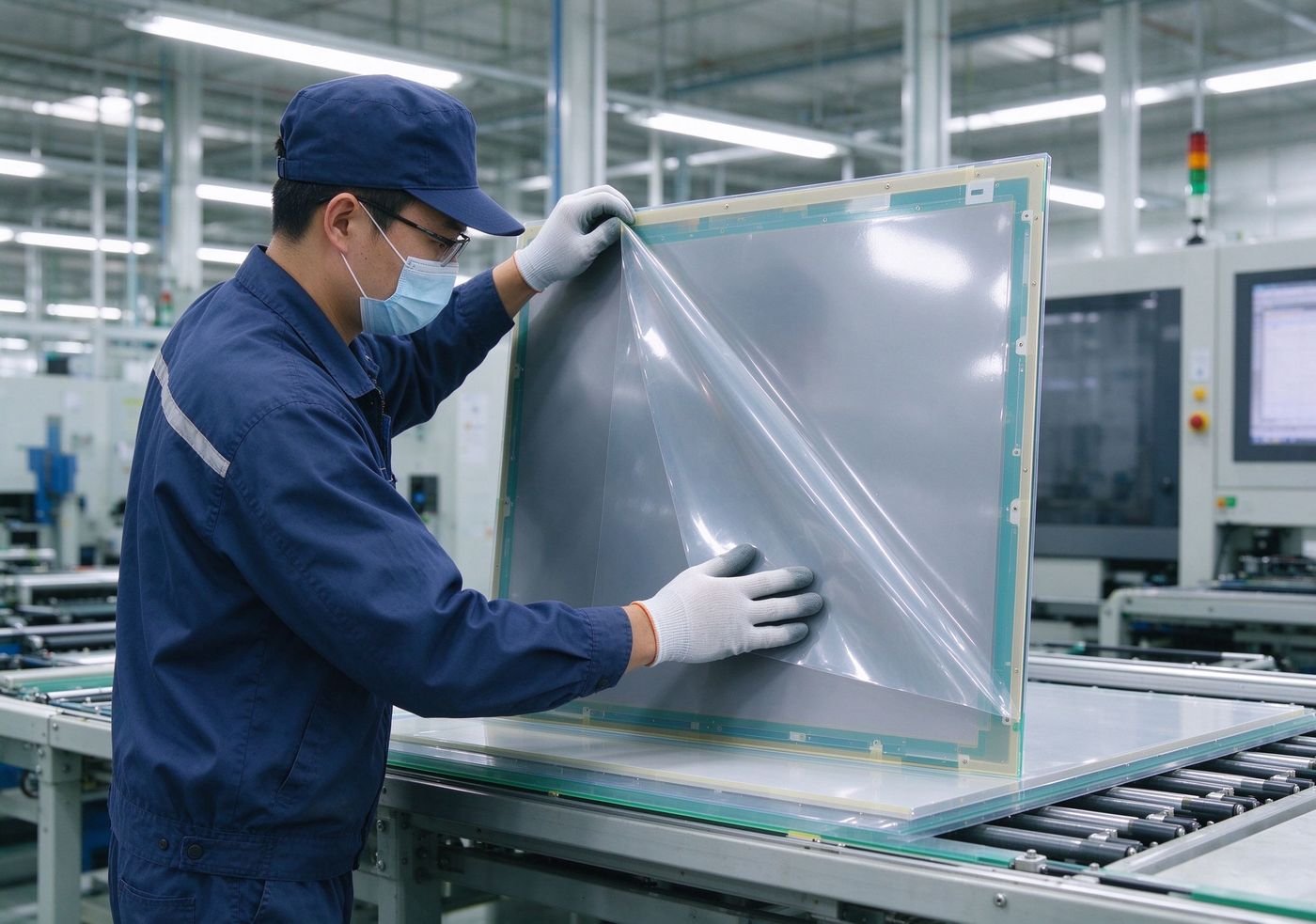
Does PET film leave residue? With the correct light-tack adhesive, no. Always validate with a peel test after 30 days on your actual surface.
Can PET film be printed on? Yes, PET accepts printing, which is commonly used for logos, barcodes, and installation instructions.
Looking for a reliable supply of optical-grade protective film? Explore our protective film manufacturing solutions and request samples for your line.