Why Blue Masking Film Dominates Surface Protection
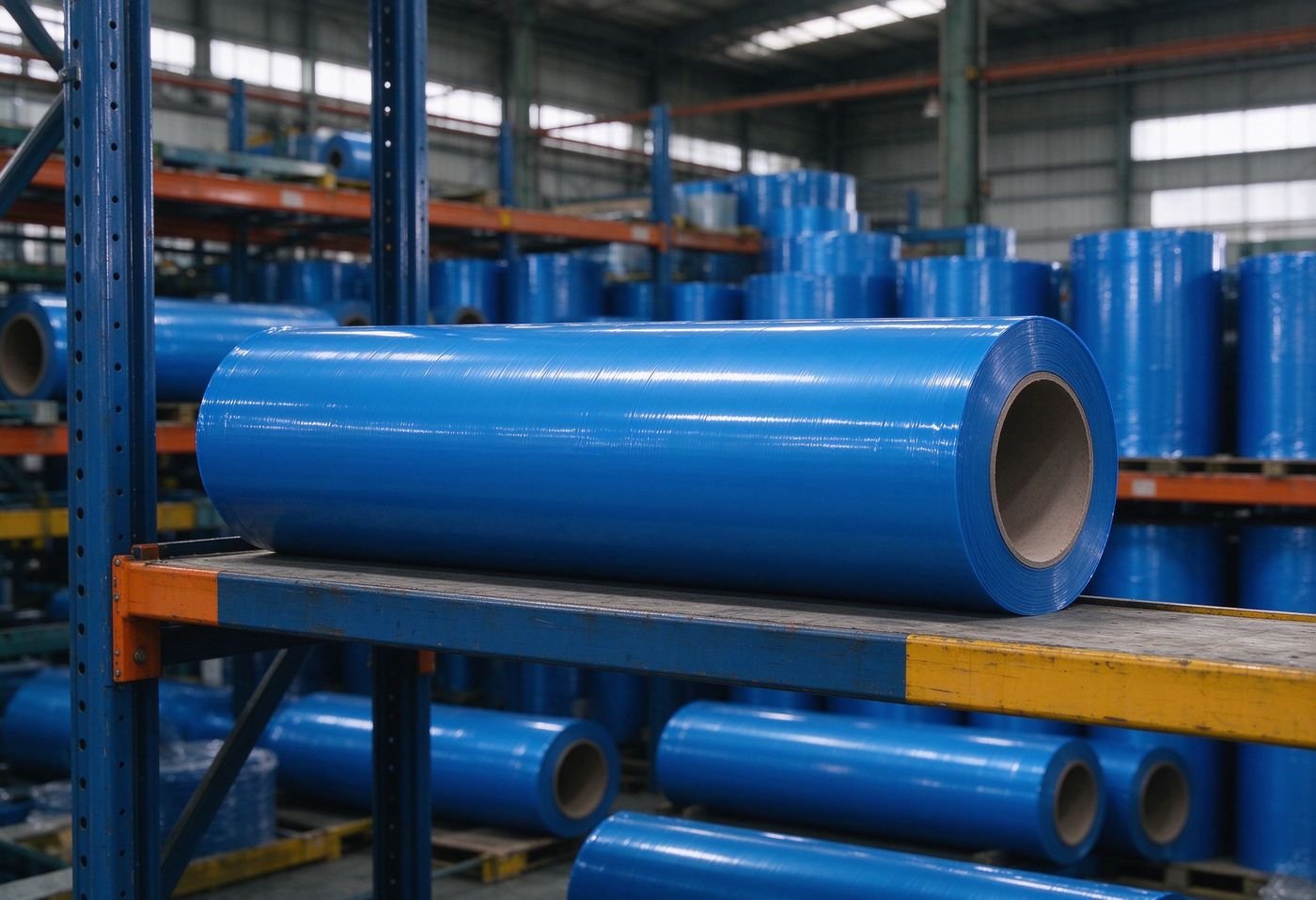
Walk into almost any metal processing, plastic fabrication, or building material factory and you will see the same color: blue. Blue masking film is the de facto standard for protecting aluminum profiles, stainless steel sheets, acrylic panels, and painted surfaces. The color is not a design choice. It serves a practical purpose that manufacturers have relied on for decades.
The Practical Reasons Behind the Blue Color
Visible Damage Control
Blue film makes any scratch, dent, or peel instantly visible to workers and inspectors. A transparent film hides defects until removal, when rework costs are highest. Blue forces quality issues to the surface early, exactly where they are cheapest to fix.
Easy Application and Removal
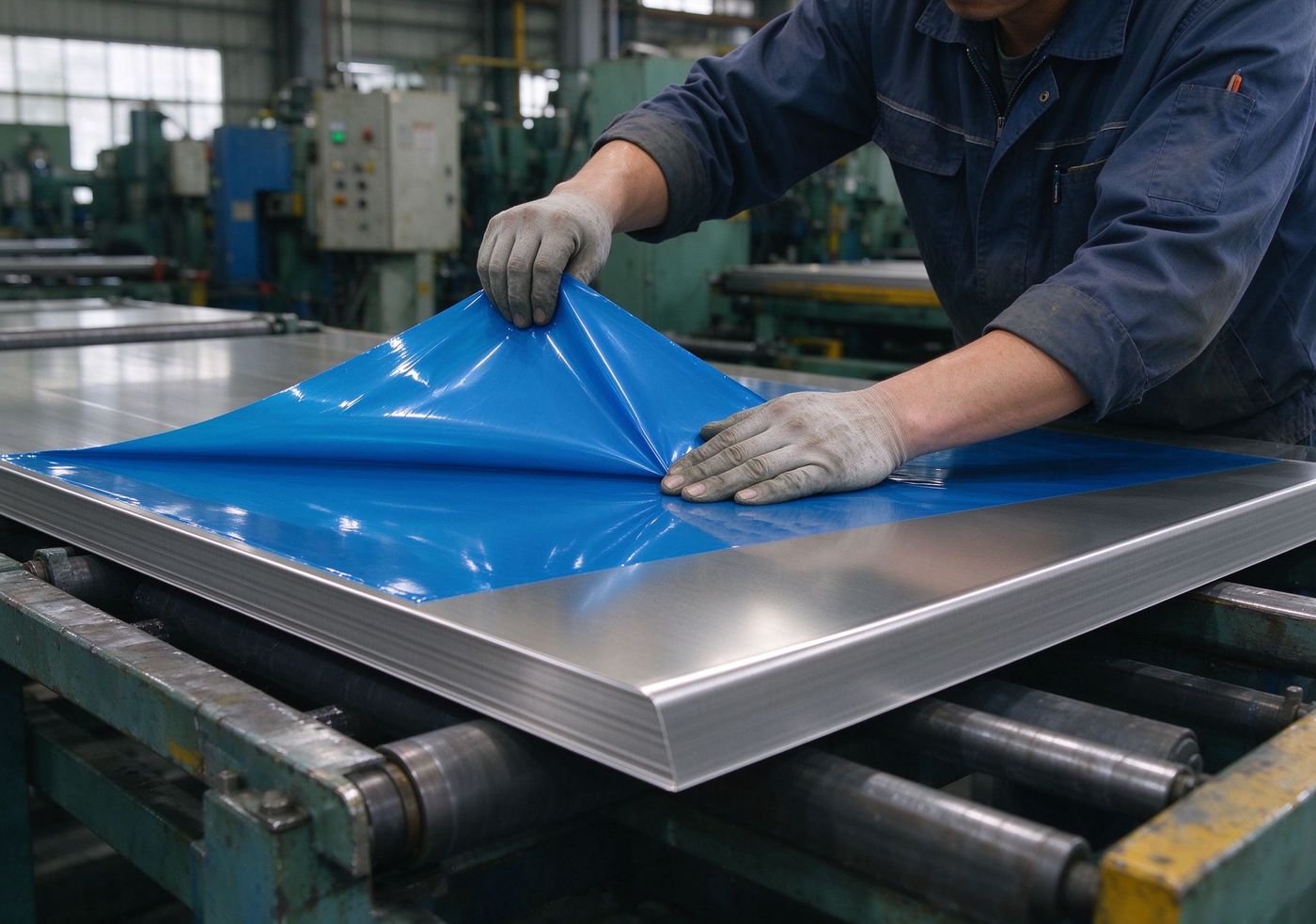
Workers can see the edges and bubbles of blue film clearly, which speeds up application and ensures complete coverage. At the end of the line, operators can spot every piece of remaining film before the product ships, preventing embarrassing adhesive residue in customers’ hands.
Quality Control Efficiency
Inspection stations use the film’s color to check coverage at a glance. Automated optical inspection systems also detect blue film edges more reliably than clear film against most metal backgrounds.
Key Applications of Blue Masking Film
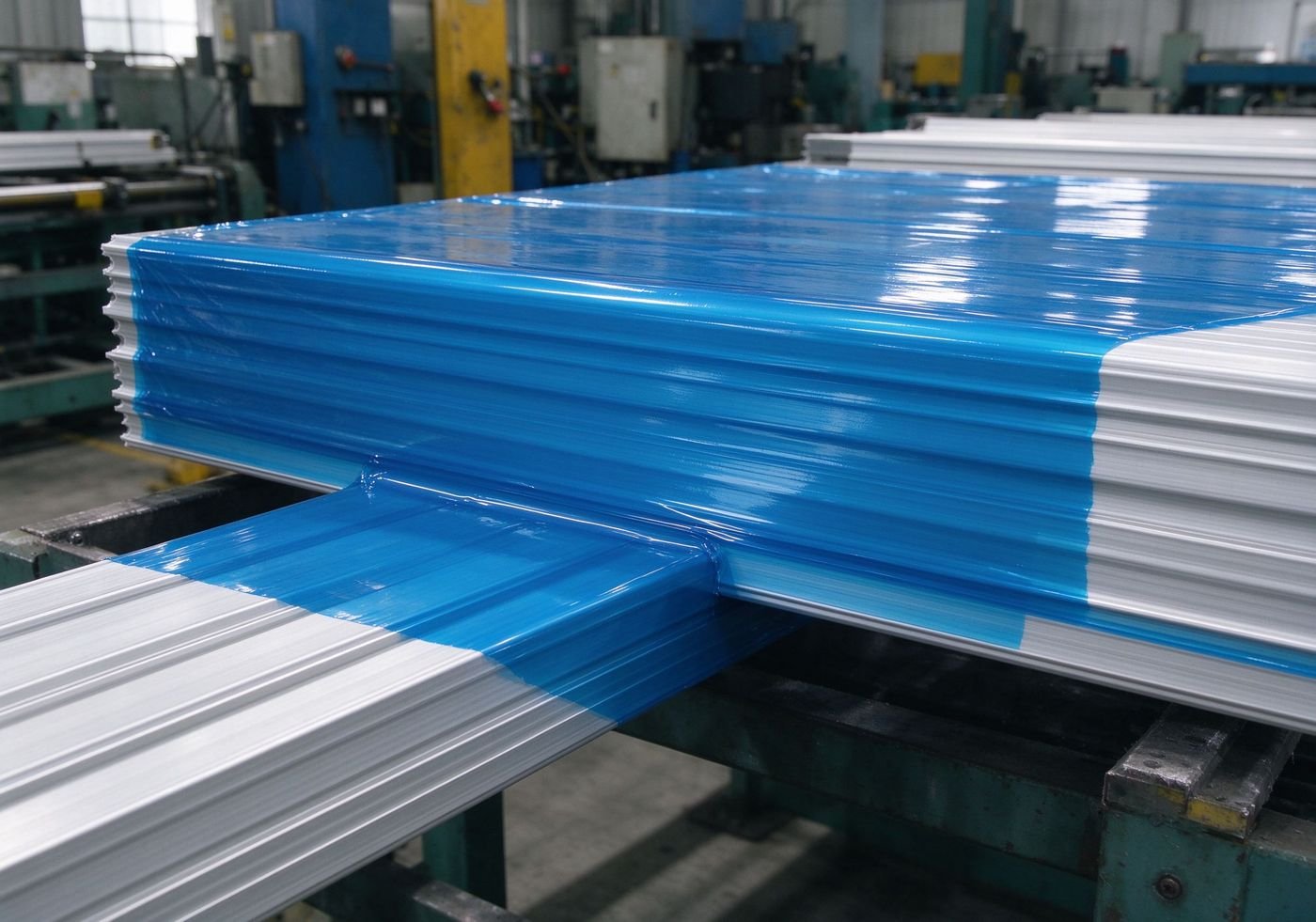
Aluminum profile manufacturers apply blue film after extrusion to protect anodized and powder-coated surfaces. Stainless steel fabricators protect brushed and mirror finishes during cutting, bending, and welding. Acrylic and PC sheet producers keep optical surfaces clean from extrusion to final cut. In the building industry, blue film protects windows, door frames, and metal roofing panels until installation is complete.
Choosing the Right Blue Film Grade
Blue masking films come in thicknesses from 0.04 mm to 0.12 mm and with light, medium, or heavy tack adhesives. Thin light-tack film suits short-term indoor protection of smooth anodized surfaces. Thicker medium-tack film handles stamping, bending, and multi-step processing. Heavy-tack, thicker grades protect rough powder-coated surfaces and survive long outdoor storage. Always request a peel test after 30–60 days on your actual profile to confirm clean removal.
Blue Film vs. Other Colors
White and clear films are used where appearance documentation or barcode printing matters. Black film is chosen for UV-sensitive applications and premium automotive parts. Blue remains the default because it offers the best balance of visibility, cost, and availability worldwide. Most factories stock blue as their workhorse and order other colors for special projects.
FAQ
Does blue film fade in sunlight? Standard grades fade and may become harder to peel after extended UV exposure. For outdoor storage over 30 days, request UV-resistant grades.
Can blue film be used on curved profiles? Yes, choose a more flexible PE-based film with medium tack so it conforms without lifting.
Does the adhesive leave marks on anodized aluminum? With the correct adhesive system matched to your anodizing process, removal is clean. Validate with a 60-day aging test.
Explore our surface protective film manufacturing capabilities for blue masking film supplied in rolls, sheets, or custom-cut formats.