What Anti-Scratch Protective Film Does
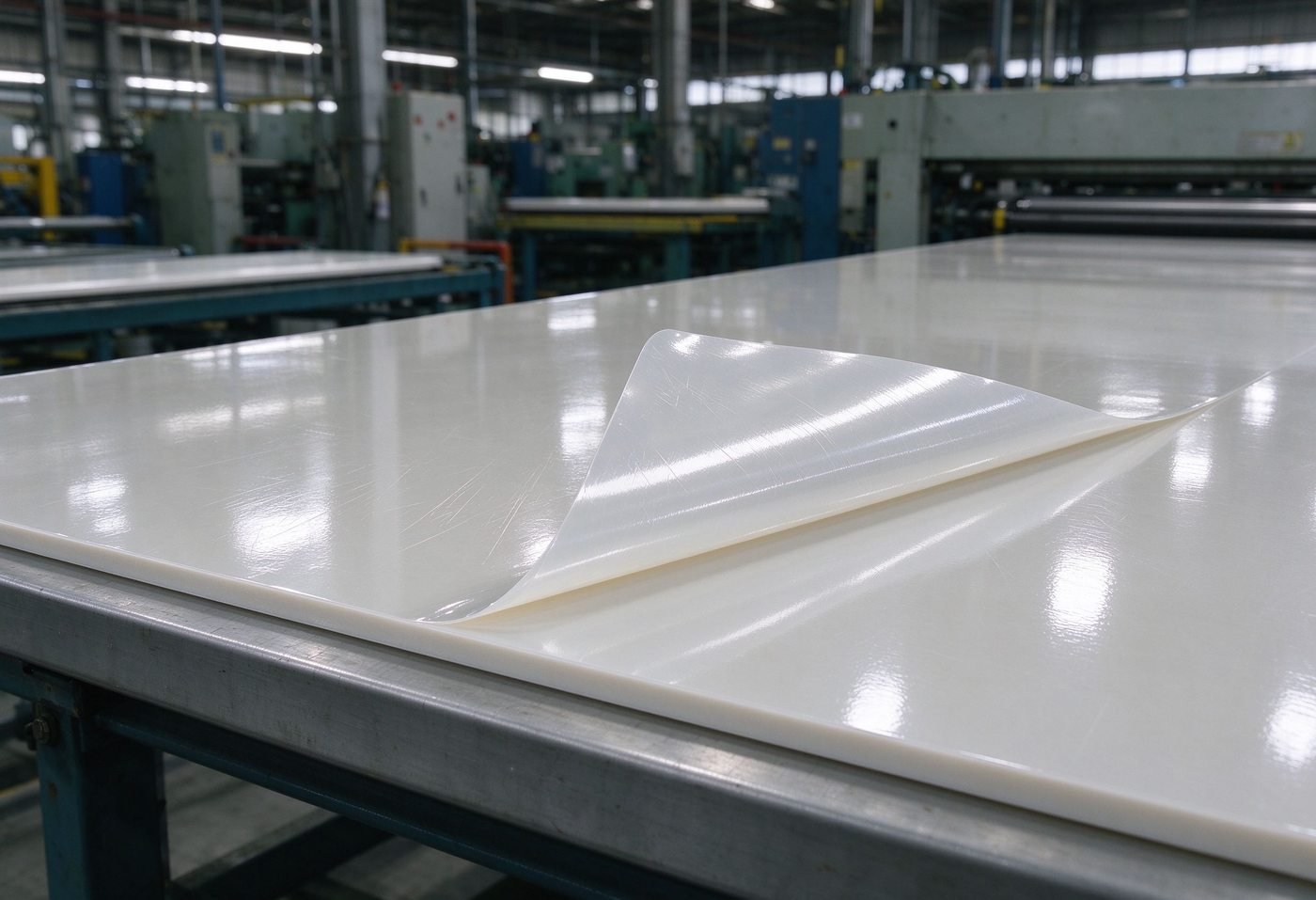
Anti-scratch protective film is a surface protection layer designed to absorb and deflect the friction that causes visible scratches during handling, processing, and transport. It combines a durable film base with a hard coating or optimized surface energy so that tools, stacked parts, and packaging movement leave no marks on the protected product underneath.
How Anti-Scratch Performance Is Achieved
Manufacturers achieve scratch resistance in three ways. First, a harder film base such as PET resists penetration better than soft PE. Second, a hardened top coat (often acrylic or silicone-based) raises surface hardness measured by pencil hardness tests. Third, low-friction additives reduce the coefficient of friction so that contacting surfaces slide rather than dig in. For heavy-duty cases, multi-layer films combine a tough outer layer with a softer cushioning layer.
Where Anti-Scratch Film Is Essential
Metal Sheets and Coil Processing
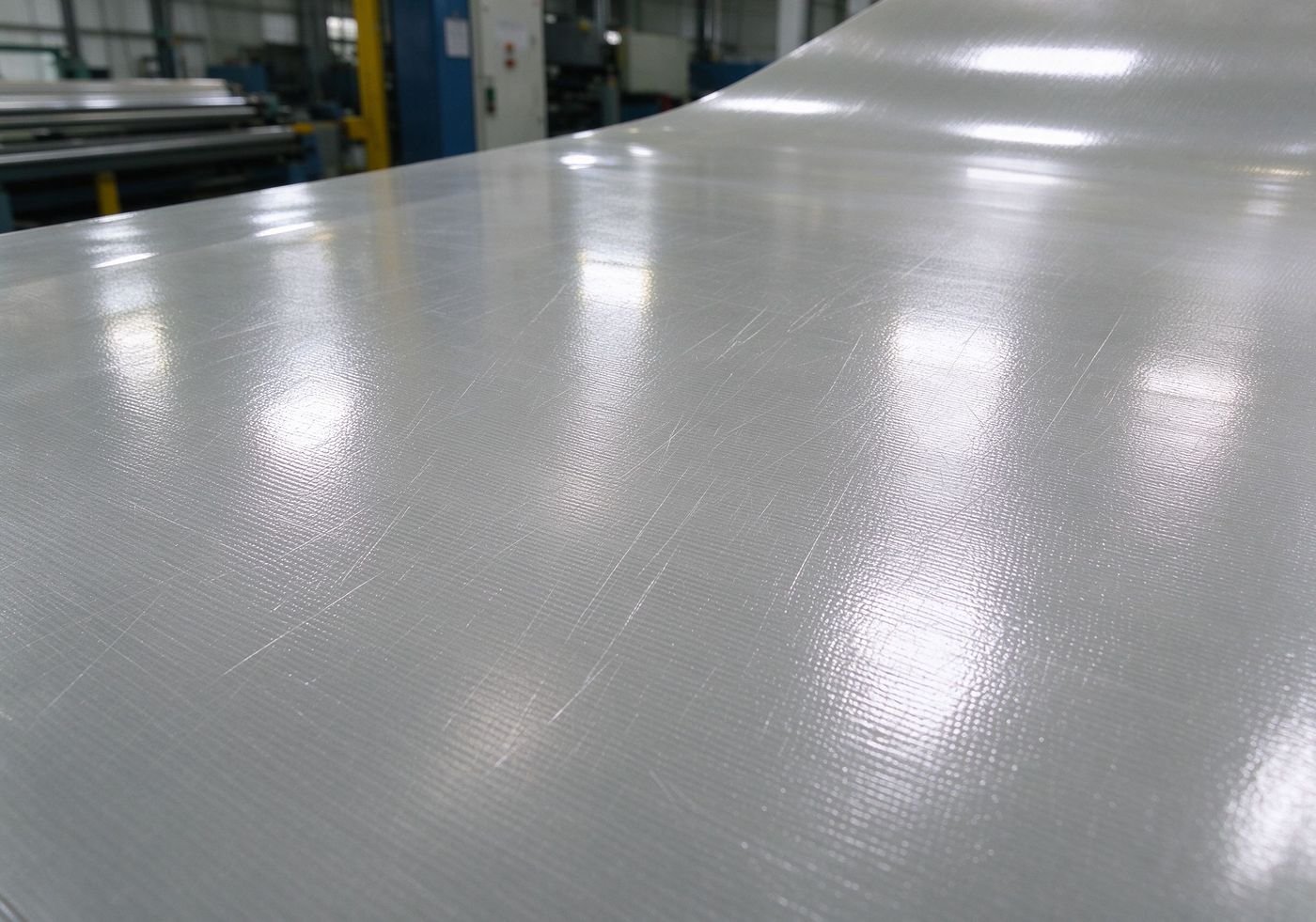
Pre-painted steel, aluminum sheets, and stainless steel coils move through rolling, cutting, and stamping lines where even a single scratch triggers costly rework. Anti-scratch film protects the visible face during every step.
Plastic Sheets and Panels
Acrylic, polycarbonate, and ABS sheets scratch easily. Anti-scratch film keeps them pristine from extrusion, through cutting and routing, to installation.
Furniture and Building Materials
Lacquered doors, countertops, and flooring boards are stacked and transported in high volumes. A durable anti-scratch film prevents the edge-to-face rubbing that causes most transit damage.
Choosing the Right Anti-Scratch Film
Match the film to the substrate’s hardness, surface finish, and processing steps. For painted metal, medium-tack film with good conformability protects during stamping without residue. For polished surfaces, light-tack film with a smooth release liner avoids leaving marks. For long outdoor or warehouse storage, request UV-resistant and thicker grades. Always test pencil hardness, peel strength after aging, and residue on your actual parts.
Anti-Scratch Film vs. Masking Tape
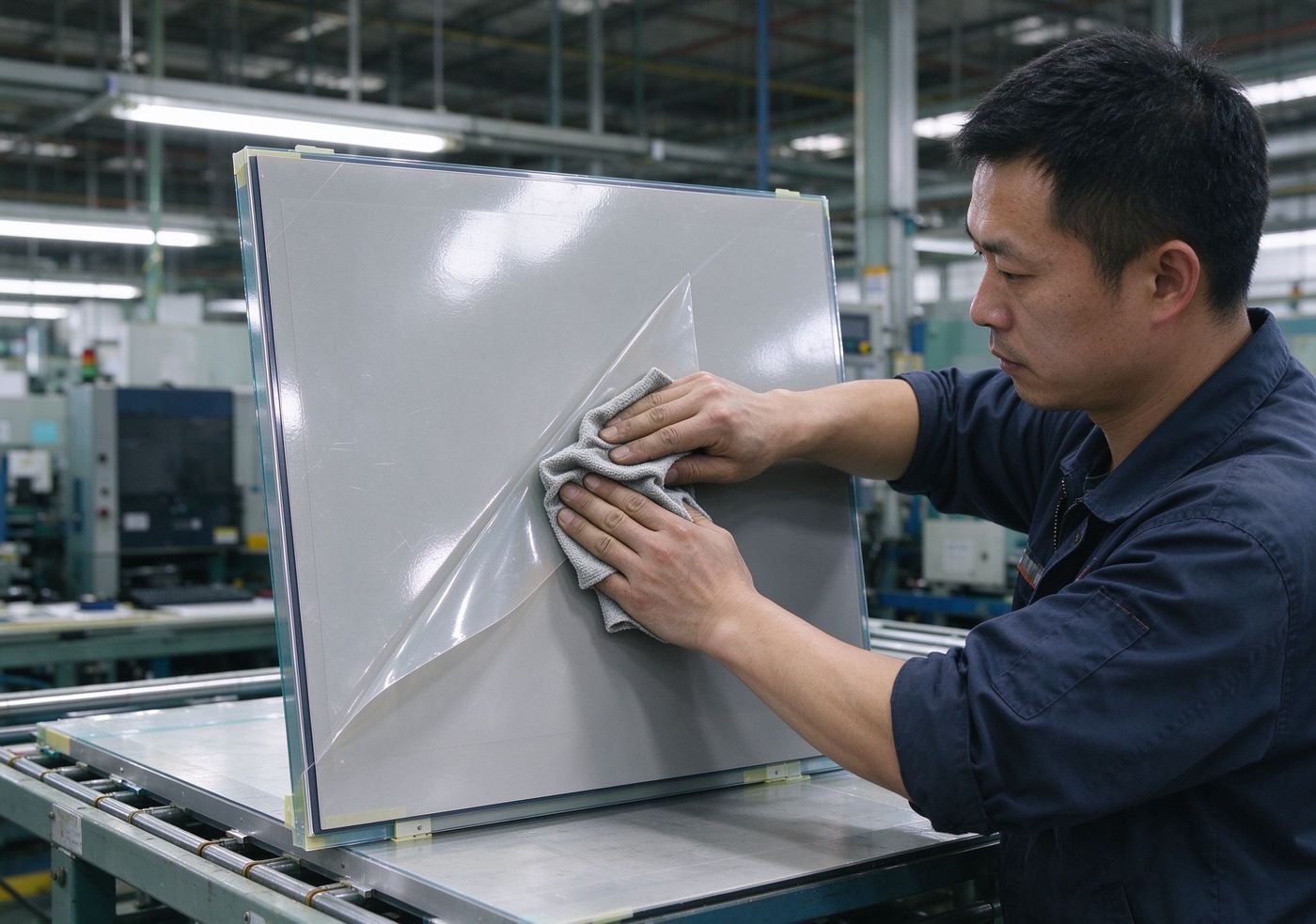
Masking tape covers edges and small areas but leaves adhesive residue and cannot protect large flat surfaces uniformly. Anti-scratch film covers full panels, distributes pressure evenly, and removes cleanly. For floor protection and large-area masking, film is both faster to apply and more economical per square meter.
FAQ
Will anti-scratch film protect against deep gouges? It protects against scratches and minor impact, not against cutting or puncturing. For severe impact risk, combine film with edge protectors and sturdy packaging.
How long can anti-scratch film stay on? Standard films handle 3–6 months indoors; UV-stabilized grades extend outdoor storage. Always confirm aging performance with the supplier.
Does thicker film always mean better protection? Not necessarily. Thicker film resists impact but may reduce conformability on curves. Match thickness to the actual risk.
Explore our surface protective film manufacturing capabilities for anti-scratch film tailored to your processing and transport needs.