The Core Difference: Coverage and Purpose
Protective film and masking tape protect different parts of a renovation. Floor protection film covers large open surfaces in minutes, sealing the whole floor against dust, grit, paint, and dropped tools. Masking tape covers edges, seams, and small areas. Use film for area coverage and tape for lines and borders. Most contractors use both on the same job, and knowing which tool fits which task saves both time and material.
Where Protective Film Wins
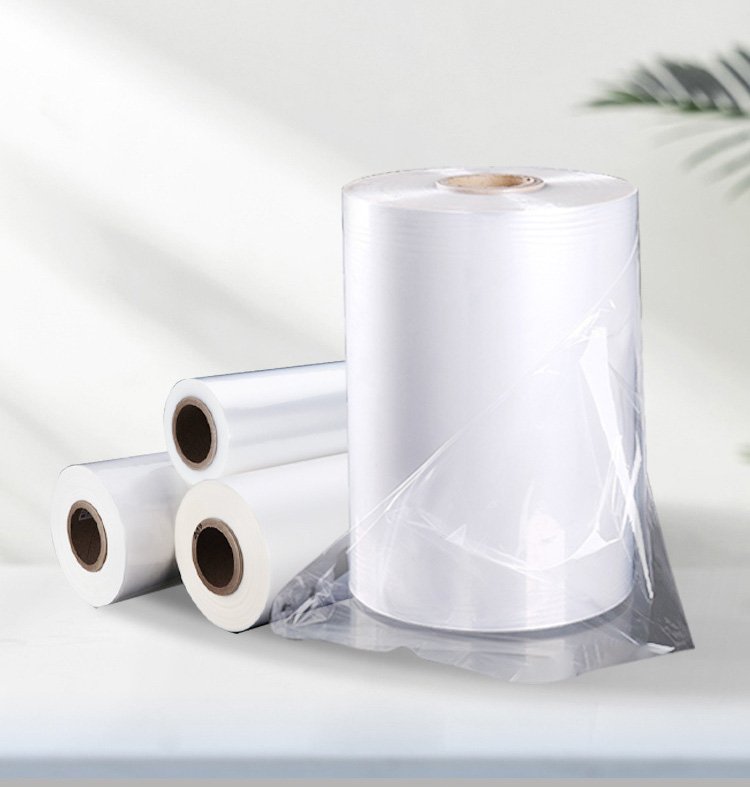
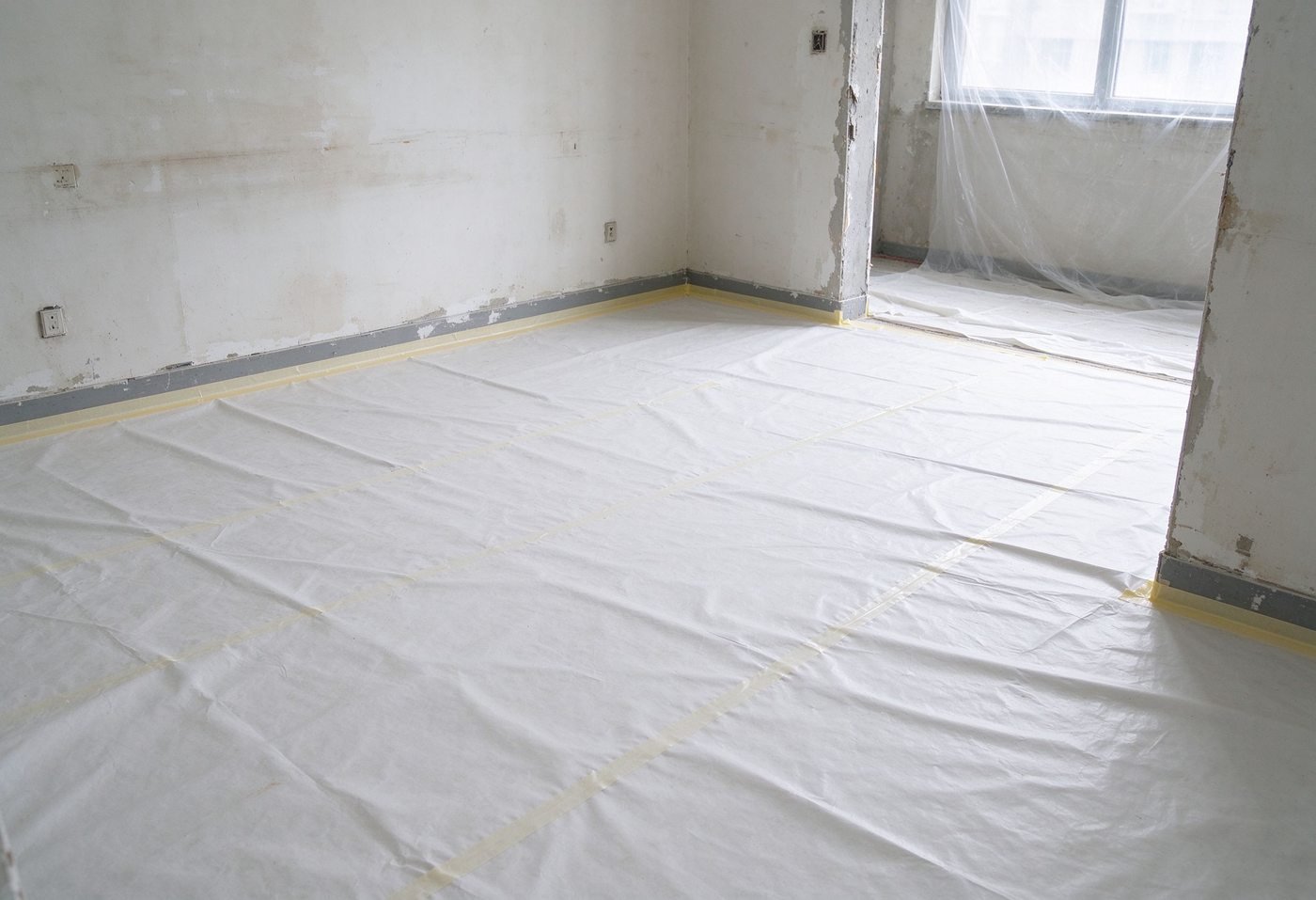
Film is the clear winner for open floors. A single roll of self-adhesive floor protection film covers dozens of square meters without the labor of laying hundreds of tape strips. It protects against foot traffic, scratches from grit, and spills of paint and grout. Film also removes cleanly in large sheets, which speeds up handover and avoids residue on the floor.
Where Masking Tape Still Makes Sense
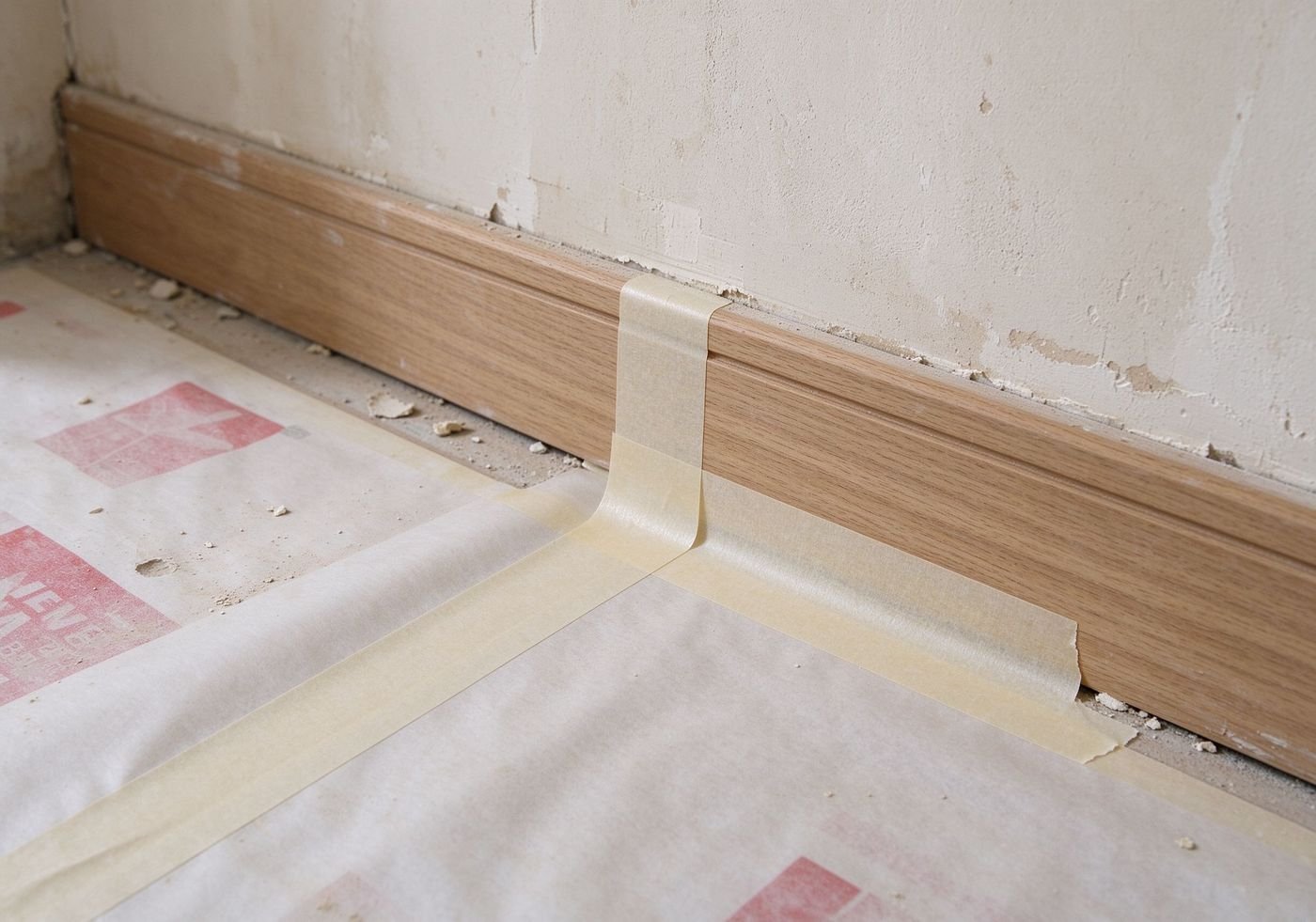
Tape remains essential along baseboards, door frames, and around fixed fixtures where film cannot cut cleanly. Low-tack masking tape also protects stair edges and skirtings when applied directly. For seams between film strips, tape reinforces the overlap and stops dust from creeping underneath. Keep a roll of low-tack floor tape on every site for these finishing touches.
Cost and Time Comparison
Protective film costs less per square meter and applies faster than tape, especially on large floors. Tape becomes expensive when you try to cover wide areas strip by strip. For a typical 100 m² renovation floor, film takes one worker about 30 minutes to lay; the same area in tape takes a full day and costs several times more in material.
How to Combine Both on a Project
Use film as the base layer across open floor, then run tape along all edges, seams, and high-traffic paths. Mark film with signage so workers know it is installed. At the end of the project, remove tape first, then peel film in large sheets from one corner. This combination gives full coverage at the lowest labor cost.
FAQ
When should I use film instead of tape on a floor?
Use film whenever the area is larger than about 5 m² or when foot traffic will cross it. Tape alone is enough only for small edges and borders.
Will tape or film damage my floor?
Both are safe when you choose low-tack or medium-tack products designed for floors and remove them within the recommended time. Avoid heavy-tack products on polished surfaces.
Can the same film protect carpet?
Yes. Transparent carpet film holds firmly to the pile without crushing it, and many contractors use the same roll for hard floors and carpet.
See our carpet and floor protection film range: Read more