Why Aluminum Needs Protective Film
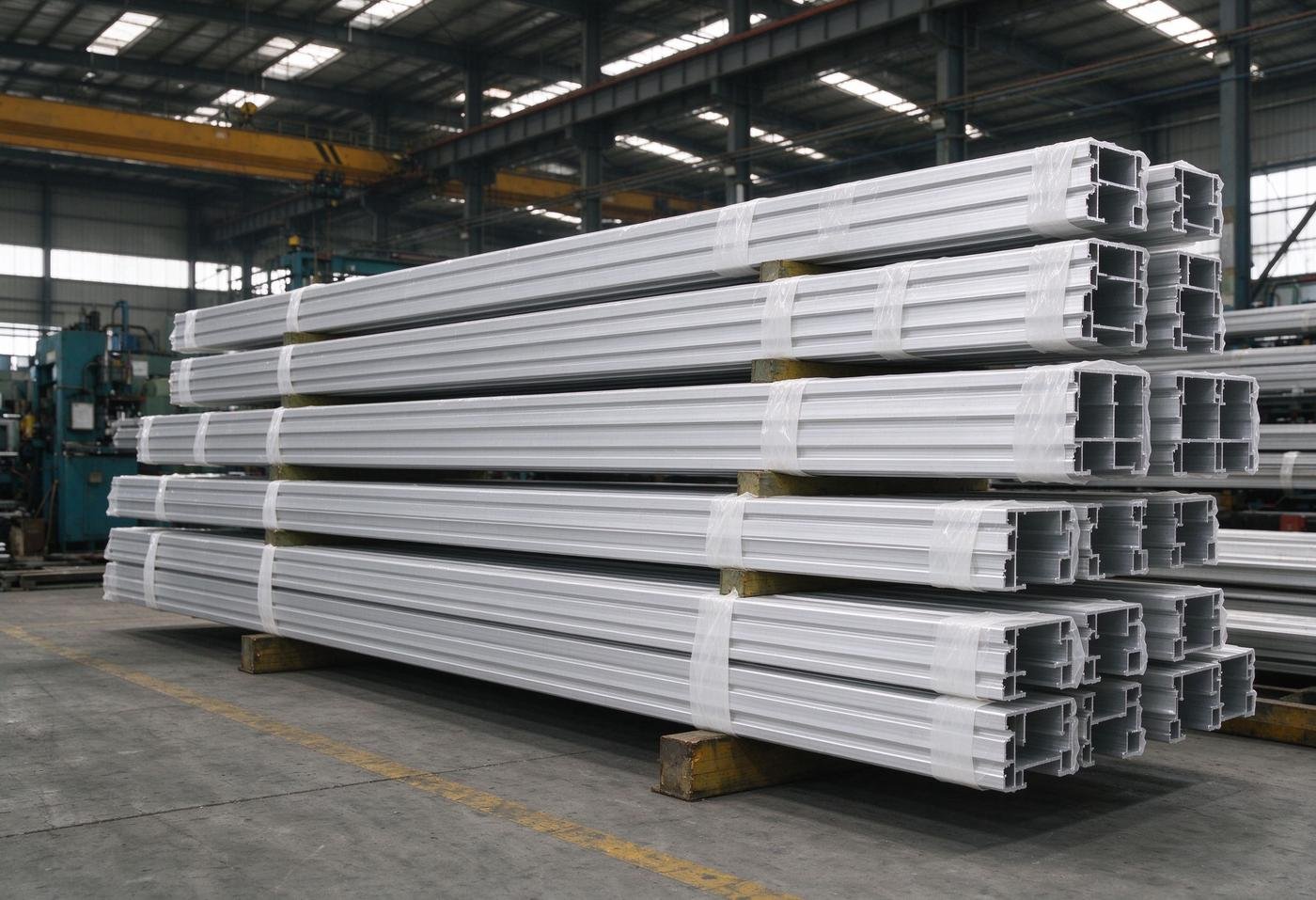
Aluminum profiles and sheets arrive at fabricators with a finish that scratches in the first minute of handling. Extrusion marks, transport vibration, and stacking all leave marks that show up after anodizing or powder coating. Surface protective film applied at the mill or at the first processing step keeps the finish pristine through cutting, bending, assembly, and delivery.
Anodized vs. Powder-Coated vs. Brushed Finishes
Anodized aluminum has a hard, sealed surface that tolerates light-tack film without residue. Powder-coated surfaces are more delicate: the coating is soft and can be damaged by film that is too aggressive, so use light-tack or adhesive-free film. Brushed and mechanical finishes need film that beds into the micro-texture without leaving adhesive in the valleys. Match the tack to the finish and test before production.
Tack and Thickness Selection
Use light-tack film (10–30 g/25mm peel) for polished and powder-coated surfaces, and medium-tack (30–60 g) for brushed profiles that need a firmer grip. Thickness controls puncture resistance: 30–50 micron film suits most profile handling, while sheets that will be stacked or machined benefit from 50–80 micron. Do not exceed the tack your finish can release cleanly.
Application and Removal for Profiles
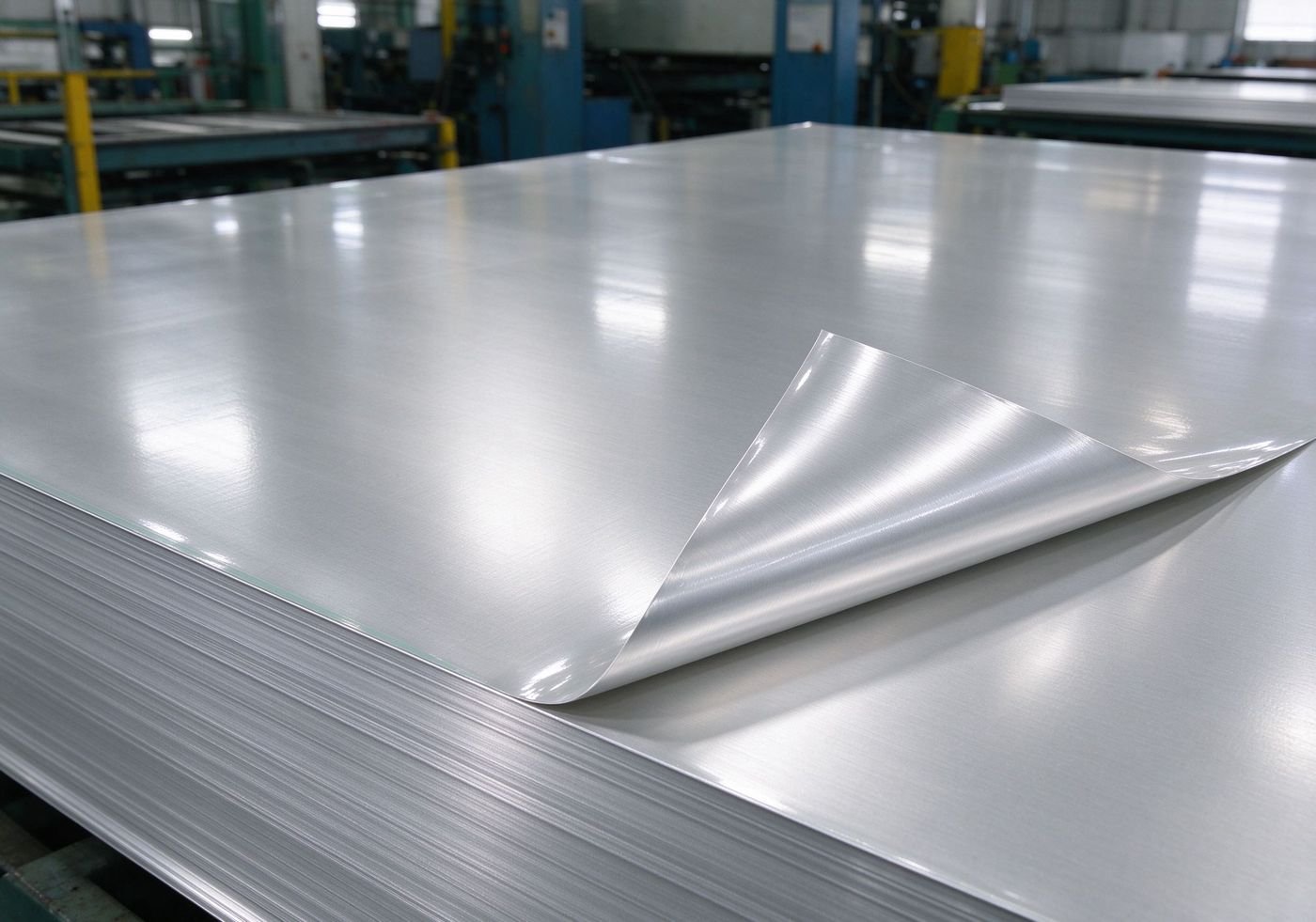
Apply film on a clean, dust-free line using a laminating roller, keeping tension even to avoid creases. For profiles, film can be applied to one side or wrapped depending on the protection window. Remove at a shallow angle, ideally within the rated period. Warm the film slightly if it has been in place for a long time.
Ordering: Width, Length and Color
Order film to the exact profile width to avoid waste, or use wider rolls for sheets. Specify length per roll to match your throughput. Choose color for quick identification: clear for final inspection, blue or white for marking stages, black for UV-sensitive storage. Ask for a test roll and a residue-free guarantee on your specific finish.
FAQ
What peel strength should I order for anodized profiles?
Light tack of 10–30 g/25mm is standard for anodized surfaces. Increase to medium tack only for long protection windows and after testing removal.
How long does film stay on aluminum?
Indoor storage with correct film: 3–6 months is typical, but always check the grade rating. UV exposure shortens the window sharply.
Can film be applied to both sides of a sheet?
Yes. Many fabricators laminate both sides of aluminum sheets for symmetrical protection during stamping and stacking.
Explore our surface protective film range for aluminum profiles and sheets: Read more